You know, sometimes the simplest things make the biggest difference in our homes. Like changing the air filter in your furnace or air conditioner. It sounds like a small job, right? But it actually does a lot more than just keep the dust down. We’re talking about saving money on your energy bills, breathing cleaner air, and even making your whole HVAC system last longer. Let’s break down why this little task is so important.
Key Takeaways
- Swapping out your air filter regularly helps your HVAC system run more efficiently, which can lower your energy bills. Dirty filters make the system work harder, using more power.
- Clean filters trap dust, pollen, and other allergens, leading to better indoor air quality and potentially reducing allergy or asthma symptoms.
- A clean filter reduces strain on your HVAC equipment. This can prevent overheating and breakdowns, helping your system last longer and avoiding expensive repairs.
- You might need to change your filter more often if you have pets, allergies, live in a polluted area, or during peak heating/cooling seasons.
- Look for signs like visible dirt on the filter, increased dust around your home, or your HVAC system seeming to struggle, as these indicate it’s time for a change.
Unlock Savings With A Clean Air Filter
When it comes to keeping your home comfortable year-round, your HVAC system is a real workhorse. But just like any hardworking machine, it needs a little regular care to run its best. One of the simplest, yet most impactful, maintenance tasks you can do is changing your air filter. It might seem like a small thing, but a clean filter can actually make a noticeable difference in your monthly bills.
The Surprising Link Between Filter Changes and Energy Bills
Think of your HVAC filter like the lungs of your home’s air system. It’s constantly pulling in air and trapping dust, pollen, pet dander, and other tiny particles. When that filter gets clogged up with gunk, it makes it harder for air to pass through. This means your system has to work a lot harder, and work harder translates directly to using more energy. This extra effort can lead to a significant jump in your energy bills. It’s a bit like trying to breathe through a thick scarf – it’s just not as easy!
How Dirty Filters Drive Up Your Utility Costs
When your air filter is dirty, your HVAC system has to push air through that blockage. This increased resistance forces the motor to run longer and at a higher capacity to achieve the desired temperature. According to ENERGY STAR, a dirty filter can make your air conditioner use 5% to 15% more energy. Over time, these small increases add up, leading to noticeably higher utility costs. Plus, a struggling system can lead to uneven temperatures throughout your home, making some rooms too hot and others too cold, which just makes you want to crank the thermostat up or down even more.
Boosting Efficiency: The Financial Perks of Regular Replacement
Swapping out your air filter regularly is a straightforward way to keep your HVAC system running efficiently. A clean filter allows for optimal airflow, meaning your system doesn’t have to strain itself. This not only helps keep your energy bills lower but also contributes to the overall health and longevity of your HVAC equipment. It’s a small, inexpensive task that pays off by saving you money and preventing potential future repair costs. Think of it as a preventative measure that keeps your system happy and your wallet fuller.
Here’s a quick look at the potential savings:
- Reduced Energy Consumption: A clean filter can lower AC energy use by 5-15%.
- Lower Utility Bills: Less strain on the system means less electricity used.
- Extended System Life: Prevents unnecessary wear and tear on components.
Breathe Easier: Health Benefits of Changing Your Air Filter
Reducing Allergens for a Healthier Home
Ever notice how dust seems to magically reappear just a day or two after you’ve cleaned? A lot of that dust, along with pollen, pet dander, and other tiny particles, is actually getting recirculated through your home’s air system. Your HVAC filter is the first line of defense against these airborne irritants. When it gets clogged, it can’t trap them effectively anymore. This means more of that stuff ends up floating around, potentially triggering allergies or just making your home feel less fresh. Changing your air filter regularly helps ensure that these allergens are captured before they have a chance to spread. It’s a simple step that makes a real difference in the air you breathe every day.
Combating Respiratory Issues with Clean Air
If you or someone in your household deals with asthma or other breathing troubles, indoor air quality is a big deal. A dirty air filter can’t do its job of filtering out the microscopic nasties that can aggravate these conditions. Think dust mites, mold spores, and even bacteria. When these get circulated, they can make symptoms worse, leading to more coughing, wheezing, or general discomfort. Keeping your filter clean means your HVAC system can actually help clear the air, rather than contributing to the problem. It’s about creating a more comfortable environment for everyone, especially those with sensitive lungs. For better indoor air quality, consider looking into high-quality air filters.
Improving Overall Indoor Air Quality
Beyond just allergies and respiratory problems, a clean air filter contributes to a generally healthier living space. It’s not just about what you can see; it’s about the invisible particles that affect how your home feels. When your filter is working properly, it traps a wider range of contaminants, from cooking smoke particles to outdoor pollutants that might sneak in. This leads to air that feels fresher and cleaner throughout your house.
A dirty filter can’t effectively capture the smaller particles that impact air quality. This means more dust settles on your furniture, and more irritants circulate in the air you breathe.
Think of it like this: you wouldn’t drink water from a dirty glass, right? The same principle applies to the air in your home. Regularly swapping out that filter is a small habit that pays off big time in creating a more pleasant and healthy atmosphere for your family. It’s a simple maintenance task that really supports a cleaner, more comfortable home environment.
Extend Your HVAC System’s Lifespan
Your HVAC system is a big deal for your home’s comfort, and like any major appliance, it needs a little TLC to keep running smoothly for years. Think of your air filter as the first line of defense. When it gets clogged up with dust and debris, your whole system has to work overtime. This constant strain can lead to parts overheating and wearing out much faster than they should. It’s like trying to run a marathon with a stuffy nose – just not efficient and definitely not good for the long haul.
Preventing Overwork and Premature Wear
When your air filter is choked with gunk, the fan motor has to push harder to pull air through. This extra effort generates more heat and puts undue stress on the motor and other components. Over time, this can cause premature wear and tear, leading to breakdowns. Regularly swapping out your filter is one of the simplest ways to prevent this kind of damage. It ensures that air can flow freely, allowing your system to operate at its intended capacity without unnecessary strain.
Avoiding Costly Repairs and System Failures
Ignoring a dirty filter isn’t just about reduced efficiency; it can actually lead to some pretty expensive problems down the road. A system that’s constantly struggling can overheat, potentially causing damage to the compressor or other critical parts. These kinds of repairs can cost hundreds, if not thousands, of dollars. Plus, a severely overworked system might just give up the ghost entirely, forcing you into a premature and costly replacement. Keeping up with filter changes is a small preventative measure that can save you a fortune.
The Small Investment for Long-Term Performance
Let’s be real, HVAC systems are a significant investment, often lasting between 15 to 25 years with proper care. Replacing your air filter is a minor task that costs very little, especially when you compare it to the potential cost of a major repair or a whole new system. It’s a proactive step that directly contributes to the longevity and reliable performance of your heating and cooling equipment. Think of it as routine maintenance for your car – a little effort now saves a lot of headaches (and money) later. Keeping your system in good shape means it can keep you comfortable for its entire expected lifespan, and maybe even longer. You can find replacement filters at most hardware stores or online retailers that specialize in HVAC supplies.
Signs Your Air Filter Needs Attention
Sometimes, your HVAC system will give you hints that it’s time for a new air filter. You don’t always have to rely on a calendar. Paying attention to a few key signs can help you keep things running smoothly.
Visible Dirt and Discoloration
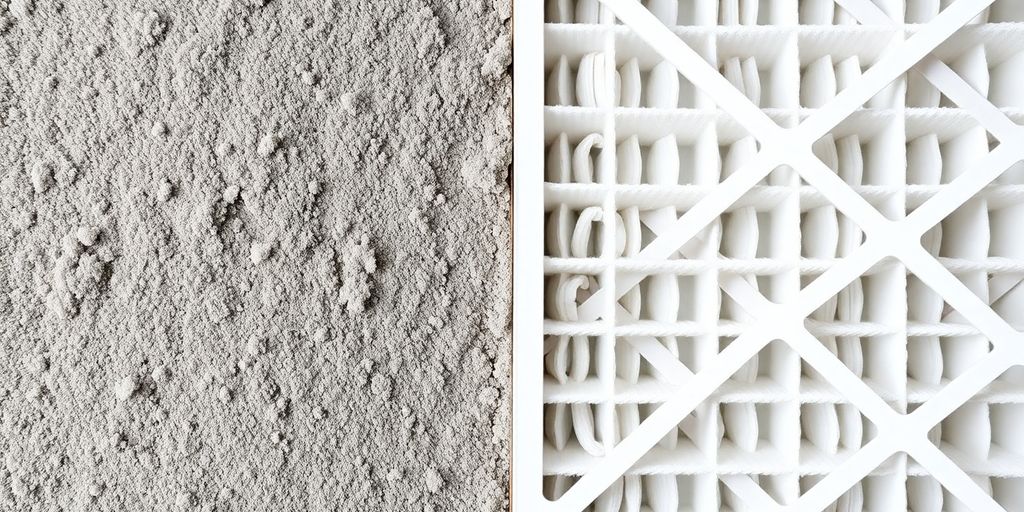
This is probably the most obvious clue. If you pull out your air filter and it looks like it’s been through a dust storm, it’s definitely time for a change. Filters can go from a clean white or light gray to a dingy yellow or even dark gray or black. A filter that’s visibly clogged can’t let air pass through easily. Think of it like trying to breathe through a thick blanket – it’s just not going to work well.
Noticing Increased Dusting Around Your Home
Are you finding yourself dusting surfaces more often than usual, even though you haven’t changed your routine? This could mean your air filter isn’t doing its job anymore. When the filter gets too full, it can’t trap all the dust and particles floating around. These particles then get recirculated through your vents and settle on your furniture, floors, and other surfaces. It’s a good indicator that your filter needs replacing to improve your home’s indoor air quality.
Your HVAC System Seems to Be Working Harder
If you notice your heating or cooling system is running longer than it normally does to reach the desired temperature, or if you hear it struggling or making unusual noises, a dirty air filter could be the culprit. When airflow is restricted, the system’s motor has to work much harder, which uses more energy and puts extra strain on the components. This can lead to decreased efficiency and potentially more serious problems down the road.
Factors Influencing Filter Replacement Frequency
So, how often should you actually swap out that air filter? It’s not a one-size-fits-all answer, really. A bunch of things play a role in how quickly your filter gets gunked up.
Understanding Different Filter Types
First off, the type of filter you’re using makes a big difference. You’ve got your basic fiberglass filters, which are usually cheaper but don’t catch as much. These often need changing every 30 days or so. Then there are pleated filters, which cost a bit more upfront but are way better at trapping stuff like dust and pollen. Depending on how much you run your system, these might last up to 90 days. Some fancy ones can even go longer. Always check the manufacturer’s recommendation on the filter itself, but remember that’s just a starting point.
The Impact of Pets and Allergies
Got furry friends running around? Or maybe someone in the house has allergies or asthma? If so, you’ll probably need to change your filter more often than the average person. Pets shed dander, and if you’ve got allergies, you want that filter working overtime to catch all those tiny irritants. For homes with pets or allergy sufferers, checking the filter monthly is a good idea, even if it’s a pleated type. You might find yourself swapping it out every 30-60 days instead of the usual 90.
Considering Your Home’s Environment and Season
Where you live and what’s happening outside can also affect your filter. If you’re in a busy city with lots of traffic or near a construction site, your filter will likely get dirty faster due to more airborne particles. Wildfire smoke is another big one – if you’ve had smoky days, definitely inspect your filter. Even the season matters. During peak summer or winter when your HVAC system is working its hardest, the filter can clog up quicker. Think about running your system more often, like using the fan setting regularly, and that also means the filter works harder. It’s a good idea to keep an eye on your HVAC air filters and adjust your schedule as needed.
Keeping Your Home Cleaner, Effortlessly
It might seem like a small thing, but keeping your air filter clean really does make a difference around the house. Think about it: that filter is basically the lungs of your HVAC system, catching all sorts of stuff before it gets blown around your home. When it gets clogged up, it’s not just bad for your system’s efficiency, it means more dust and particles are floating around, settling on your furniture and floors.
Less Dust Means Less Cleaning Time
When your air filter is doing its job, it’s trapping dust, pet dander, pollen, and all sorts of other tiny bits that would otherwise end up coating your surfaces. A clean filter means less of that stuff circulates through your home. This translates directly into less time spent dusting and wiping down surfaces. You’ll notice a real difference, especially if you have pets or live in a dusty area. It’s a simple way to make your regular cleaning routine a bit easier and more effective.
Trapping Particles Before They Settle
Your HVAC filter is designed to catch particles, but its effectiveness drops significantly when it’s dirty. A clogged filter restricts airflow, and the particles it does manage to catch can get blown right back into your home. A fresh filter, however, allows for optimal airflow and better particle capture. This means fewer allergens and irritants are circulating, and importantly, fewer are settling on your belongings. It’s about keeping the air cleaner and your home tidier, all thanks to a simple filter swap. For more on how filters impact your home’s air, check out this information on improving indoor air quality.
Enjoying a More Pristine Living Space
Ultimately, regularly changing your air filter contributes to a more pleasant and cleaner living environment. You’re not just maintaining your HVAC system; you’re actively reducing the amount of dust and allergens that accumulate in your home. This means you can spend less time cleaning and more time enjoying your space. It’s a small step that leads to a noticeably cleaner home, making your living space feel more comfortable and inviting.
Wrapping Up: Simple Steps for a Better Home
So, there you have it. Changing your HVAC filter might seem like a small thing, but it really does make a difference. Keeping those filters clean helps your system run smoother, which means it uses less energy and can even save you some cash on your utility bills. Plus, it helps keep the air in your home cleaner and can make your whole HVAC setup last longer. It’s a pretty easy task to add to your routine, and honestly, it’s worth the little bit of effort for the comfort and savings you get back. Don’t forget to check your filter regularly and swap it out when it looks dirty – your wallet and your lungs will thank you!
Frequently Asked Questions
How does changing my air filter save me money on energy bills?
Think of your HVAC filter like a shield for your home’s air. When it gets full of dust, pollen, and other tiny bits, it can’t do its job well. This makes your heating and cooling system work much harder, like trying to breathe through a stuffy nose. This extra effort uses more electricity, which means higher energy bills. So, changing the filter keeps things running smoothly and saves you money.
Why do dirty filters make my HVAC system work harder?
A dirty filter is like a traffic jam for air. When air can’t flow easily, your HVAC system has to push harder to get the air where it needs to go. This makes the system work overtime, using more power and causing parts to wear out faster. It’s like running a race with a heavy backpack on – you get tired quicker and might even break something.
How does a clean air filter help keep my house cleaner?
When your air filter gets clogged, it can’t catch all the dust, pet dander, and other tiny particles floating around your home. These things then get blown through your house, landing on furniture and making the air quality worse. Changing the filter regularly helps trap these particles, leading to cleaner air and less dusting for you!
How often should I really change my air filter?
The simple answer is: it depends! Factors like whether you have pets (they shed a lot!), if anyone in the house has allergies, the type of filter you use (some are better at trapping dirt than others), and even how much you use your heating and cooling all play a role. A good rule of thumb is to check it monthly and change it when it looks dirty, usually every 1-3 months.
What are the signs that my air filter needs changing?
Look for obvious signs! If the filter is visibly covered in dirt and dust, or looks gray or yellowish, it’s definitely time for a change. Another clue is if you notice your home getting dusty much faster than usual, or if your heating or cooling system seems to be running longer than it used to. These are all signals that your filter is struggling.
Can changing my air filter help my HVAC system last longer?
Yes, absolutely! When your HVAC system doesn’t have to fight against a clogged filter, it runs more smoothly. This means less wear and tear on important parts like the fan motor. Over time, this can prevent breakdowns and costly repairs, making your system last much longer.