Lately, there’s been a lot of chatter about the economy possibly slowing down. Some folks are worried about their jobs, and businesses are looking at how to stay afloat if things get tough. You might be wondering about careers that can handle an economic dip. Well, the HVAC field often comes up in these conversations. It seems like heating and cooling are things people just can’t do without, no matter what’s happening with the economy. So, is HVAC really a recession-proof career path? Let’s break down why many people think so.
Key Takeaways
- HVAC services are considered essential needs, similar to groceries or healthcare, meaning demand doesn’t disappear during economic downturns.
- Even if people postpone buying new systems, the need for repairs and maintenance on existing units remains strong, providing a steady stream of work.
- HVAC technicians are often classified as essential workers, supporting critical infrastructure like hospitals and businesses that must remain operational.
- Efficient HVAC systems can help households save money on energy bills, making them appealing even when people are trying to cut costs.
- The HVAC industry is projected to see faster-than-average job growth, partly due to a shortage of skilled workers and an aging workforce, making it a stable career choice.
Why HVAC Is Considered Recession-Proof
When the economy gets a little shaky, people tend to hold onto their money tighter. Makes sense, right? But some things you just can’t put off, no matter how tight things get. Heating and cooling systems are definitely in that category. Think about it: nobody wants to be stuck without heat in the dead of winter or air conditioning when it’s sweltering outside. These aren’t luxuries; they’re pretty much necessities for comfort and even safety.
HVAC Services Are Essential Needs
Even when budgets are squeezed, folks still need their homes to be livable. That means keeping the furnace running in winter and the AC humming in summer. Hospitals, grocery stores, and other places that have to stay open also rely on their HVAC systems to keep things running smoothly. So, while someone might delay buying a new car or a fancy gadget, they’re not going to ignore a broken heater.
Demand for Repairs Remains Strong
Because people are trying to save money during tough economic times, they often put off buying brand-new systems. That’s actually good news for HVAC pros. When new installations slow down a bit, the demand for repairs and maintenance on existing systems usually picks up. People want to keep what they have working, and that means calling in the experts to fix things or just keep them in good shape. It’s a way to manage costs without sacrificing comfort entirely. This focus on upkeep makes HVAC careers a stable choice.
New Systems May Be Delayed, But Maintenance Isn’t
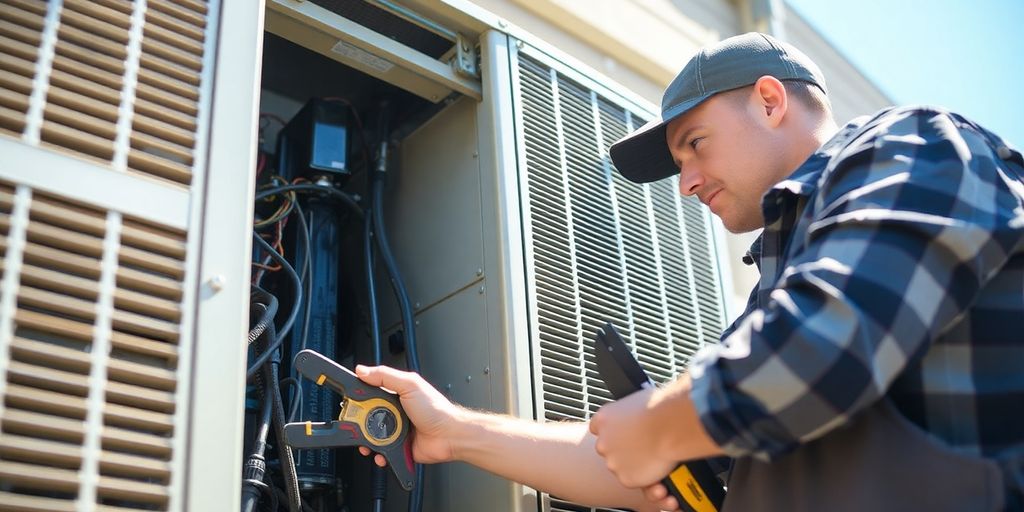
While a big, expensive system replacement might get pushed back when money is tight, regular check-ups and tune-ups are less likely to be skipped. Keeping a system running efficiently can actually save money on energy bills, which is a big plus when people are trying to cut expenses. So, even if the big jobs slow down a little, the steady work of maintenance and smaller repairs keeps the industry moving forward.
HVAC Technicians Are Essential Workers
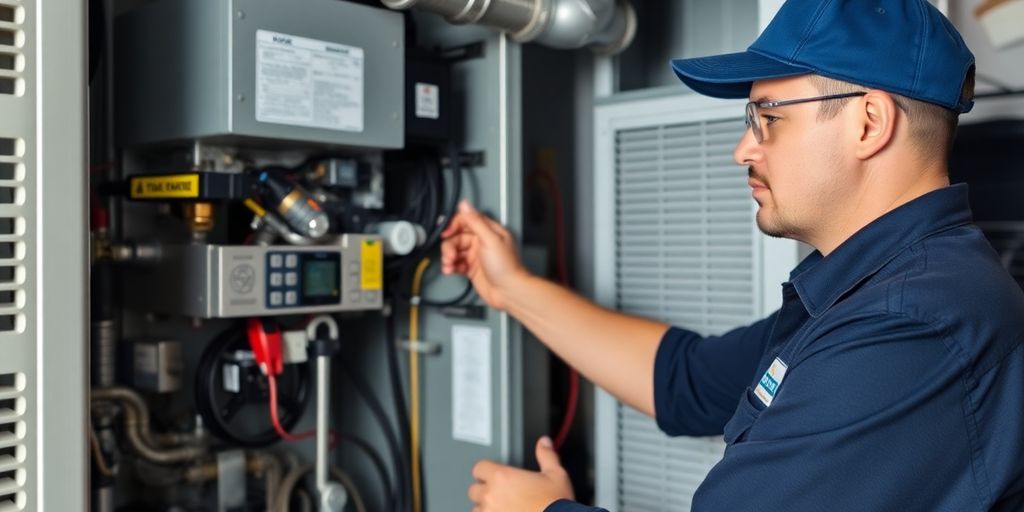
Think about it: even when money is tight, people still need to stay warm in the winter and cool in the summer. That’s why HVAC technicians are often called essential workers. They’re not just fixing furnaces; they’re keeping critical places like hospitals, grocery stores, and data centers running smoothly. It’s a job that’s needed no matter what the economy is doing.
Designated as Critical Trades
During tough economic times, or even emergencies like the pandemic, HVAC services are recognized as vital. They fall under “critical trades” because they maintain operations for infrastructure that simply can’t stop. This designation means the work is always in demand, offering a good deal of job security.
Supporting Vital Infrastructure
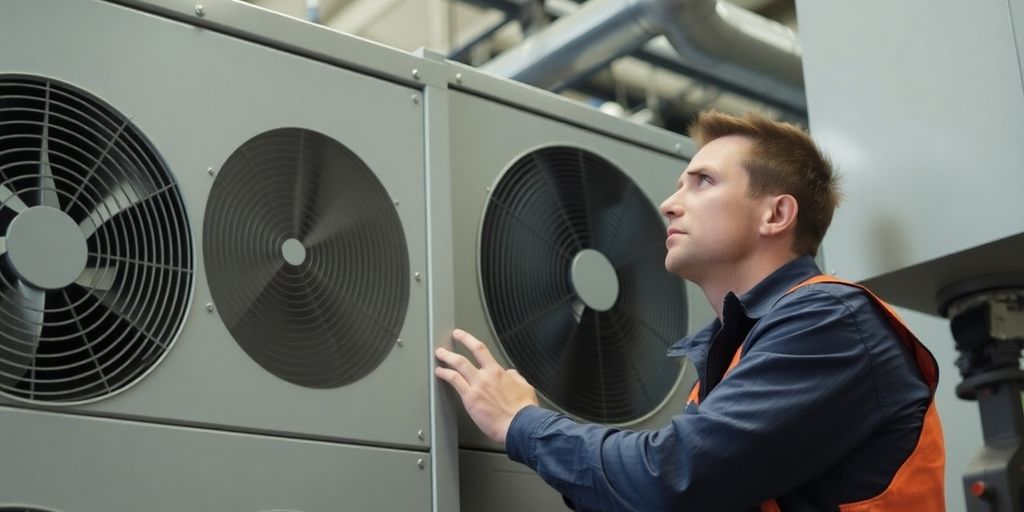
HVAC technicians are the backbone of many facilities. They ensure that places like schools, manufacturing plants, and healthcare buildings have the heating, cooling, and ventilation they need to function. Without them, these essential services would be at risk. It’s a role that directly impacts public health and safety.
A Stable and Well-Paying Career Path
Getting into HVAC doesn’t always require a four-year degree. Many companies are willing to train helpers and apprentices, meaning you can earn while you learn. With just a year or two of trade school and on-the-job training, you can become a skilled technician. Within a few years, experienced technicians can earn a really good living, often reaching $100,000 or more annually. Plus, with a significant shortage of skilled workers, employers are keen to keep their good people happy and employed, making it a stable choice. The industry is projected to grow much faster than average, so there are plenty of opportunities out there, especially as many experienced professionals are retiring [4b90].
Saving Money Through Efficient HVAC
When the economy gets a little shaky, everyone starts looking for ways to trim down their expenses. And honestly, who can blame them? It makes total sense to try and save a buck wherever possible. For homeowners, one of the biggest chunks of their monthly bills often comes from heating and cooling their homes. We’re talking about a significant portion of household energy costs, and if you can bring that down, it’s a huge win.
Lowering Household Energy Bills
Think about it: your HVAC system is probably running for a good part of the year, keeping you comfortable. A system that’s running efficiently uses less energy. Less energy used means lower utility bills. It’s a pretty straightforward connection. Even small improvements in how your system operates can add up over time, making a noticeable difference in your monthly budget. It’s one of those practical ways to manage your money better, especially when times are a bit tighter.
The Appeal of Energy Efficiency
Beyond just saving money right now, there’s a growing appreciation for energy efficiency itself. People are more aware of their environmental impact, and using less energy is a good way to be more eco-friendly. Plus, when you’re looking to make upgrades to your home, like switching to energy-efficient LED lighting [a547], you’re not just improving your home’s comfort; you’re also making it more valuable. It’s a win-win situation. An efficient HVAC system contributes to a more sustainable lifestyle and can even make your home more attractive to future buyers.
Reducing Overall Expenses
So, when you combine the immediate savings on energy bills with the long-term benefits of increased home value and a reduced environmental footprint, the appeal of an efficient HVAC system becomes really clear. It’s not just about comfort; it’s a smart financial move that helps reduce overall household expenses, making it a really solid choice for homeowners looking to be more budget-conscious.
The Growing Demand for HVAC Professionals
It’s no secret that the job market can feel a bit shaky sometimes, especially when economic news isn’t always the brightest. But when you look at the HVAC field, there’s a different story unfolding. The demand for skilled HVAC professionals isn’t just steady; it’s actually on the rise, and it’s happening faster than in many other industries. This isn’t just a temporary trend either; it’s built on solid needs that don’t go away, no matter the economic climate.
Faster Than Average Job Growth
Let’s talk numbers for a second. The U.S. Bureau of Labor Statistics has been tracking this, and their projections show that jobs for HVAC technicians are expected to grow significantly in the coming years. We’re talking about a growth rate that’s quicker than the average for most jobs out there. This means more opportunities are opening up for people looking to get into the field or advance their careers. It’s a good sign for anyone considering this path.
A Significant Shortage of Skilled Workers
Here’s something interesting: there’s a real shortage of qualified HVAC technicians across the country. Think about it – with more systems needing installation, maintenance, and repair, and not enough people to do the work, the demand naturally goes up. This shortage isn’t just a small gap; it’s a noticeable one, and it means that skilled workers are highly sought after. This is great news for those already in the industry or looking to join, as it often translates to better job security and compensation. You can find more information about the NYC HVAC job outlook.
Retirement and Shifting Career Paths
Another big reason for this growing demand is a demographic shift. A good chunk of the experienced HVAC workforce is getting closer to retirement age. As these seasoned professionals move on, they leave behind a need for new talent to step in. On top of that, more people are realizing the benefits of skilled trades, moving away from the traditional four-year college path towards careers that offer hands-on work and immediate job prospects. This combination of an aging workforce and a renewed interest in trades is really shaping the future of the HVAC industry.
The Mature and Future-Proof HVAC Industry
The HVAC industry has been around for a long time, and it’s not going anywhere. Think about it: people always need to stay warm in the winter and cool in the summer. That basic need doesn’t change, no matter what the economy is doing. This stability makes it a really solid field to be in, whether you’re looking for a job or running your own business.
A Stable and Growing Market
The HVAC market is pretty big, and it’s expected to keep getting bigger. We’re talking about billions of dollars in value, and that number is projected to climb steadily over the next few years. This isn’t some trendy new thing; it’s a mature industry that provides a necessary service. That means it’s less likely to be completely wiped out by economic ups and downs. It’s a dependable sector that continues to expand.
Technological Advancements Create Opportunities
While the industry is mature, it’s also constantly evolving. New technologies are popping up all the time, like smarter thermostats, more energy-efficient systems, and advanced diagnostic tools. These changes don’t replace jobs; they actually create new kinds of work and require technicians to learn new skills. So, if you like working with your hands and also enjoy keeping up with new tech, HVAC offers a great mix. It’s a field where you can keep learning and growing.
The Long-Term Outlook for HVAC Careers
Looking ahead, the future for HVAC professionals looks really bright. Job growth in this field is already outpacing many other occupations. Plus, a lot of experienced technicians are getting ready to retire, which means there will be even more openings. The demand for skilled workers is high, and it’s only expected to increase. This creates a secure and promising career path for anyone looking for stability and good pay. It’s a field that’s built to last, offering a solid foundation for your professional life. The need for these services is constant, making it a reliable choice for a career. You can find more information about the current state of the HVAC market here.
Building a Resilient HVAC Business
Running an HVAC business means you’re already in a pretty solid field, but even the best businesses need a plan for when things get a little shaky economically. It’s not just about having good technical skills; it’s about being smart with how you manage the business side of things.
Prioritizing Employee Confidence
When the economy slows down, the first thing you want to do is make sure your team knows they’re valued and secure. Keeping your employees confident in their jobs is key to keeping the business running smoothly. Talk to them openly about how the business is doing and what steps you’re taking to stay strong. When people feel like they’re part of the solution and know their work matters, they tend to stick around and do their best, even when things are uncertain. It’s about building that team spirit, you know? Like, ‘we’re all in this together.’
Maintaining Open Communication
This ties right into keeping employees confident. You’ve got to keep the lines of communication wide open. If there are rumors going around about layoffs or tough times, address them head-on. Be honest about challenges, but also share your plans for overcoming them. This transparency helps calm nerves and builds trust. It’s better to talk things through than to let people worry unnecessarily. Regular team meetings or even just quick check-ins can make a big difference.
Focusing on Customer Retention
Getting new customers is great, but during a downturn, keeping the ones you already have is even more important. Think about what makes your customers choose you in the first place. Was it your great service, your reliability, or maybe a specific skill you have? Double down on that. Offer loyalty programs, follow up after service calls, and just generally make sure they feel appreciated. Happy, returning customers are the backbone of a stable business, especially when new sales might be harder to come by. It’s way cheaper to keep a customer than to find a new one, after all.
Financial Strategies for Economic Downturns
When the economy gets a little shaky, it’s smart for any business, including HVAC services, to have a solid financial plan. It’s not about panicking, but about being prepared. Think of it like getting your home ready for a storm – you want to make sure everything is secure.
Developing a Flexible Pricing Strategy
During tough economic times, people watch their spending more closely. This means your pricing needs to be competitive but also realistic. You might need to offer different service packages or payment options. For example, maybe a basic tune-up is more affordable than a full system overhaul. Being able to adjust your prices without losing too much profit is key. It’s about finding that sweet spot where customers feel they’re getting good value, and your business stays afloat. This might involve looking at what competitors are charging and making sure your rates are in line with what the market can bear. Sometimes, a slightly lower price on a common service can bring in more customers overall, which is good for your business cash flow.
Accurate Cash Flow Projections
Knowing where your money is coming from and where it’s going is super important, especially when things are uncertain. You need to create realistic projections for your cash flow. This means looking at your expected income from jobs and subtracting all your business expenses – like parts, labor, vehicle costs, and insurance. If you can see a potential shortfall coming, you have time to make adjustments, like cutting back on non-essential spending or looking for ways to speed up customer payments. It’s like having a weather forecast for your finances; it helps you prepare for any rain.
Building an Emergency Cash Reserve
This is a big one. Having an emergency fund, or a cash reserve, is like a safety net for your business. The general advice is to have enough saved to cover at least three to six months of operating expenses. This fund is there for unexpected events, like a sudden drop in business, a major equipment repair, or if a big client pays late. It means you can keep paying your employees, cover your bills, and keep the lights on even if income slows down for a bit. It gives you breathing room and prevents you from having to make difficult decisions under pressure.
Being financially prepared isn’t just about surviving a downturn; it’s about positioning your business to come out stronger on the other side. It requires a proactive approach to managing your money and understanding your business’s financial health.
So, Is HVAC Really Recession-Proof?
When you look at it all, it really seems like HVAC is a solid bet, no matter what the economy is doing. People always need heating and cooling, and even when money is tight, fixing what you have often makes more sense than buying new. Plus, with so many folks needing these services, and a real shortage of skilled workers, it feels like a smart move for anyone looking for a stable job. It’s not just about keeping buildings comfortable; it’s about keeping essential places running and even helping people save a bit on their energy bills. All in all, a career in HVAC looks pretty secure.
Frequently Asked Questions
What exactly does HVAC mean?
HVAC stands for Heating, Ventilation, and Air Conditioning. These systems keep buildings warm in the winter, cool in the summer, and ensure good air quality all year round. Think of your home’s furnace or air conditioner – that’s HVAC!
Why are HVAC services so important, even during tough economic times?
HVAC services are considered essential because people always need to be comfortable and breathe clean air, no matter the economy. Hospitals, schools, and even grocery stores rely on HVAC to keep things running smoothly, especially for things like refrigeration.
If people can’t afford new systems, won’t HVAC businesses suffer?
Even when money is tight, people still need their heating and cooling systems to work. If a system breaks, it needs to be fixed. Also, maintaining existing systems becomes more important when buying new ones is too expensive. This keeps HVAC technicians busy.
Are HVAC workers considered ‘essential’?
Yes, HVAC technicians are often called ‘essential workers’ because they keep critical places like hospitals and food stores running. They are trained professionals who handle important jobs that can’t just stop.
Why is there a high demand for HVAC jobs?
The demand for HVAC professionals is growing because many current workers are retiring, and there aren’t enough new people trained to take their place. Plus, new technology in HVAC systems creates more jobs for skilled technicians.
Can having a good HVAC system help save money?
Yes, a well-maintained HVAC system can actually save homeowners money on their energy bills. When systems run efficiently, they use less electricity or gas, which is a big help when people are trying to cut down on expenses.