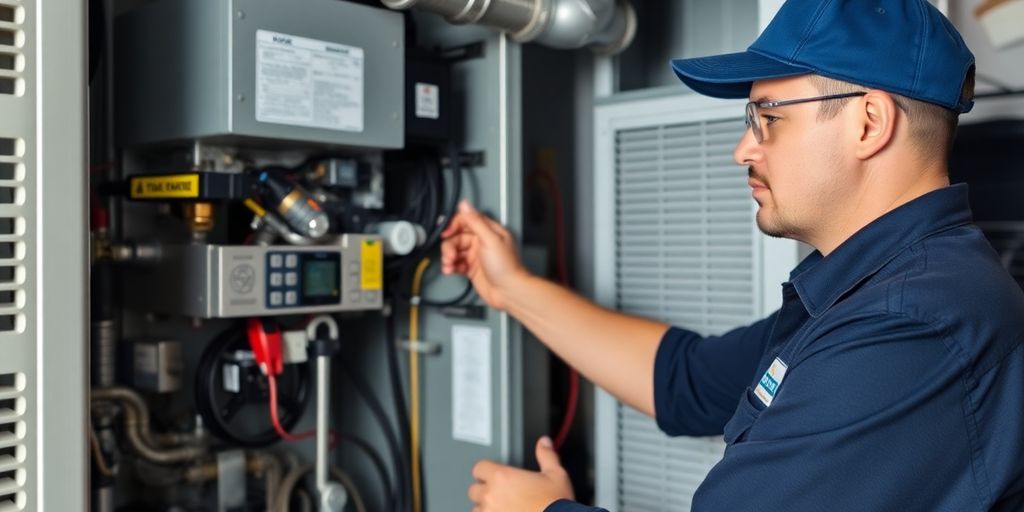
Thinking about a career in HVAC? It’s a solid trade, for sure, with demand always being pretty high. But, like anything, where you work really matters when it comes to how much you can actually earn. We’re talking about the big picture here – how much an HVAC technician salary by state can really differ. It’s not just about knowing your stuff; it’s about where you decide to hang your tools. Let’s break down what makes those paychecks look different from one state to another.
Key Takeaways
- HVAC technician pay varies a lot across the country. Things like how much it costs to live somewhere, how many jobs are actually available, and even the local economy all play a part in the hvac salary by state.
- Getting extra certifications and learning new skills, like how to handle advanced systems or even sales, can really bump up your earnings beyond just the basic pay for experience and location.
- Your experience level is a big deal. Someone just starting out will make less than a seasoned pro who’s been doing this for years.
- Where you work matters. Big cities or places with tough weather often mean higher pay because more people need AC and heating services, and it costs more to live there.
- The HVAC field is growing, which is good news for job security and potential pay increases. Plus, new technology means technicians need to keep learning, which can also lead to better pay.
Understanding HVAC Salary by State Variations
When you’re thinking about a career as an HVAC technician, it’s super important to realize that where you work makes a big difference in how much you can earn. It’s not just about how good you are at fixing furnaces or installing air conditioners; the state you’re in plays a huge role. Think about it – the cost of living varies wildly from place to place, and that directly affects what companies can afford to pay their workers. Plus, some areas just need more HVAC pros than others, especially if the weather is really extreme. We’re going to break down how these state-level differences shake out.
The Impact of Cost of Living on HVAC Pay
Basically, if it costs more to live in a state, you’ll generally see higher salaries for HVAC technicians. States like California or Massachusetts, where rent and everyday expenses are pretty high, tend to pay their technicians more to help them keep up. On the flip side, states with a lower cost of living, like in the Midwest or parts of the South, usually have lower average salaries. It’s a way for companies to balance out the pay with what it actually takes to live comfortably in that area.
How Regional Demand Shapes HVAC Technician Earnings
Demand is another big one. If a state has a lot of hot summers or really cold winters, people are going to need their HVAC systems running constantly. This means more work for technicians, and where there’s more work, there’s often more pay. Think about places like Florida, where AC is a must-have year-round, or states up north that get hit hard with winter. The more people need those services, the more HVAC companies are willing to pay to make sure they have enough skilled people on staff.
State-Specific Salary Comparisons for HVAC Professionals
Looking at actual numbers can be eye-opening. For example, you might find HVAC technicians in Alaska earning significantly more than those in Alabama. While the national average might hover around a certain figure, specific states can be outliers. Some states might offer average annual salaries well over $60,000, while others might be closer to the $40,000 mark. These differences aren’t just random; they’re tied directly to the cost of living, the demand for services, and the overall economic health of the state. It really highlights why location is such a key factor in an HVAC technician’s earning potential.
Factors Driving Higher HVAC Technician Salaries
So, you’re wondering what makes some HVAC techs earn more than others? It’s not just about showing up; a few key things really make a difference in your paycheck. Think of it like this: the more you know and the more you can do, the more you’re worth. It’s a pretty straightforward idea, really.
The Role of Experience and Skill Development
Experience is a big one. Someone who’s been doing this for ten years has likely seen and fixed way more problems than someone who just got out of trade school. They’ve probably learned some tricks and developed a knack for diagnosing issues faster. This hands-on time means they can handle more complex jobs and probably do them more efficiently. Plus, as you gain experience, you naturally pick up new skills, whether it’s working with different types of systems or learning new installation techniques. It’s all about building that practical knowledge base.
How Certifications Boost HVAC Earning Potential
Getting certified is like getting a stamp of approval on your skills. Certifications, like those from NATE (North American Technician Excellence), show employers and customers that you’ve met certain standards and know your stuff. These credentials can directly translate into higher pay because they signal a higher level of competence and reliability. It’s a way to prove you’re serious about your career and have invested in your professional growth. Think of it as a way to stand out from the crowd and get noticed for your commitment to quality work. You can find more information on average hourly rates for HVAC technicians in 2025 on industry resources.
Specialized Skills and Complex Tasks Command More Pay
Beyond the basics, having specialized skills can really bump up your earnings. If you’re the go-to person for complex commercial systems, or if you’re skilled in things like geothermal heating or advanced ventilation controls, you’re going to be in higher demand. These aren’t your everyday fixes; they require a deeper understanding and often more intricate work. Companies are willing to pay more for technicians who can handle these challenging tasks because they keep critical systems running smoothly. It’s about having that niche knowledge that makes you indispensable.
Geographical Influences on HVAC Compensation
So, where you work as an HVAC technician really matters when it comes to your paycheck. It’s not just about how good you are at fixing furnaces or air conditioners; the location itself plays a huge role in how much you can expect to earn. Think about it – the cost of living varies wildly from one state to another, and that directly affects what companies can afford to pay their staff. Plus, some places just need more HVAC pros than others.
Urban Versus Rural HVAC Salary Differences
Generally, you’ll find that HVAC technicians in big cities tend to make more than those in smaller towns or rural areas. This is mostly because the cost of living is higher in urban centers, so salaries need to be higher to keep up. Plus, there’s often more commercial work and a higher density of buildings needing regular maintenance in cities. It’s a simple supply and demand thing, really. If you’re looking at places like San Francisco, you might see higher starting pay compared to a quiet town in the Midwest. It’s important to look at the cost of living in any area you consider.
Climate Extremes and Their Effect on HVAC Wages
Extreme weather is another big factor. States that get really, really hot summers or super cold winters often have a higher demand for HVAC services year-round. Think about places like Arizona or Minnesota – they need reliable heating and cooling systems, and that means more work for HVAC techs. This increased demand can push wages up, especially during peak seasons. If a region experiences significant temperature swings, technicians are in higher demand to keep homes and businesses comfortable.
The Influence of State Economic Conditions on Pay
Beyond just location and climate, the overall economic health of a state can also impact HVAC salaries. When a state’s economy is booming, businesses are more likely to invest in their infrastructure, including HVAC systems, and have more money to pay their employees competitively. Conversely, in states with weaker economies, companies might have tighter budgets, which can lead to lower wages. It’s a good idea to keep an eye on the economic trends in different states if you’re thinking about where to work.
The interplay between location, climate, and economic stability creates a complex web that influences HVAC technician earnings. Understanding these geographical factors can help you make more informed career decisions.
Navigating the HVAC Career Landscape
So, you’re thinking about a career in HVAC, or maybe you’re already in the field and wondering how to move up? It’s a solid choice, honestly. The demand for skilled technicians is pretty high, and it’s only expected to grow. But like any career, there are definitely ways to make sure you’re on the right track for good pay and job satisfaction. It’s not just about showing up; it’s about being smart about your path.
Licensing Requirements and Their Salary Impact
First off, let’s talk about licenses. Depending on where you work, you might need specific state or local licenses to even do certain jobs. These aren’t just hoops to jump through; they often mean you’ve met certain standards and have a baseline of knowledge. Having the right licenses can definitely open more doors and, you guessed it, often means better pay because you’re qualified for more complex work. It’s a bit like getting your driver’s license – you can’t legally drive without it, and some jobs are similar in the HVAC world. You can find general career info from resources like the Occupational Outlook Handbook.
The Importance of Continuous Training in HVAC
This field changes, you know? New equipment comes out, regulations get updated, and efficiency standards get stricter. That’s why sticking with what you learned in trade school isn’t enough. You’ve got to keep learning. Think about it: if you’re the technician who knows the latest energy-saving tech or how to fix the newest smart thermostats, companies are going to want you. This means more training, maybe attending workshops, or even getting certifications in specific brands or types of systems. It’s an investment in yourself, really.
Career Advancement Opportunities in the HVAC Field
Once you’ve got some experience under your belt and maybe a few certifications, what’s next? Well, there are a few paths. You could become a lead technician, managing a team and handling the trickiest jobs. Some folks move into sales or even start their own businesses. Others might specialize in commercial systems, which often pay more than residential work. The key is to keep an eye out for those opportunities and be ready to take them when they come. It’s all about building on your skills and showing what you can do.
Key States for HVAC Technician Earnings
So, where are the HVAC pros really raking in the dough? It’s a question many are curious about, and the answer, as you might guess, isn’t a simple one. Different states really do pay differently, and it’s not just about how much the work itself is valued. We’ve got to look at the whole picture, like how expensive it is to live in a place and how many people actually need their heating and cooling fixed.
States Offering the Highest HVAC Salaries
When we talk about the states where HVAC technicians tend to earn the most, a few names pop up consistently. Think places like Alaska, Connecticut, Oregon, Massachusetts, and New Hampshire. Why these spots? Well, it often comes down to a mix of things. Extreme weather, whether it’s super cold winters or scorching summers, means HVAC systems are working overtime, creating a steady demand. Plus, some of these states have a higher cost of living, so the salaries need to be higher just to keep up.
States with the Lowest Average HVAC Technician Wages
On the flip side, you’ll find states where the average pay for HVAC techs is a bit lower. We’re talking about places like Arkansas, West Virginia, Tennessee, Mississippi, and Kentucky. Now, this doesn’t automatically mean it’s a bad gig. Often, these states have a lower cost of living, so your paycheck might stretch a bit further than you’d expect. It’s all about balancing that income with your everyday expenses.
Analyzing Top Paying Cities for HVAC Professionals
It’s not just about the state, though. Even within a state, big cities often pay more than smaller towns. For example, in California, major hubs like Los Angeles and San Francisco tend to offer higher salaries than more rural areas. This is usually because of the higher cost of living in these urban centers and the sheer volume of buildings and people needing HVAC services. So, if you’re looking at a map, don’t just focus on state lines; zoom in on those major metropolitan areas for potentially higher earnings.
Economic Trends Affecting HVAC Salaries
When we talk about what influences how much an HVAC technician makes, the economy is a big piece of the puzzle. Think about it – when the economy is doing well, there’s usually more building happening, and older systems need replacing. This means more work for HVAC folks, and often, higher pay. On the flip side, if the economy slows down, construction might dip, and people might hold off on upgrading their systems, which can put a damper on salaries.
How Inflation Impacts HVAC Technician Compensation
Inflation is something we all feel, and it definitely affects HVAC salaries. When prices go up for everything from gas to parts, technicians need to earn more just to keep up with their own living expenses. This pressure often pushes companies to offer higher wages to attract and keep good people. However, it’s not always easy for every company, especially smaller ones, to keep up with these rising costs and offer big raises. So, while inflation can push salaries up, it can also create some strain.
The Effect of Industry Growth on HVAC Pay
The HVAC industry itself is actually growing pretty steadily. The U.S. Bureau of Labor Statistics projects a good number of new jobs for HVAC mechanics and installers over the next decade, which is faster than the average for all jobs. This growth is fueled by things like a focus on energy-efficient buildings and the need to swap out older, less efficient equipment. More jobs usually mean more demand for skilled technicians, which can lead to better pay. It’s a positive sign for anyone looking to get into or advance in this field. In fact, the average hourly wage for an HVAC technician in 2025 is around $26.01, with annual salaries reaching about $54,100 for those just starting out. You can find more details on intermediate technician pay.
Investment Trends in the HVAC Sector
Another interesting trend is how much investment is going into home services, including HVAC. Private equity firms, for example, are putting more money into companies that handle HVAC, plumbing, and electrical work. This kind of investment can create new opportunities and potentially lead to higher earnings for skilled technicians. It suggests that the industry is seen as a solid area for growth, which is good news for the people working in it.
So, What’s the Takeaway?
Alright, so we’ve seen that becoming an HVAC technician can be a pretty solid career move, but where you hang your hat really matters when it comes to your paycheck. It’s not just about how good you are with a wrench; things like how much it costs to live in a state, how many people need AC fixed, and even if you’ve got the right paperwork all play a big part. So, whether you’re just starting out or looking to move up, keeping an eye on these different factors can help you find the best opportunities out there. It’s a dynamic field, and knowing what influences the pay can make all the difference.
Frequently Asked Questions
Why do HVAC technicians earn different amounts in different states?
The amount an HVAC technician earns can change a lot depending on where they work. States with higher living costs, like California, usually pay more to help cover those expenses. Also, places with really hot or cold weather often need more HVAC services, so they might pay technicians more because of the high demand.
Does experience affect how much an HVAC technician makes?
Yes, having more experience usually means earning more money. Someone who has been fixing and installing HVAC systems for many years will likely make more than someone just starting out. Getting special training or certificates can also help you earn more.
Can getting certified help an HVAC technician earn more?
Yes, getting special certificates, like NATE (North American Technician Excellence), can really boost your pay. It shows you have proven skills and knowledge, which employers value and are willing to pay more for.
Do HVAC technicians earn more in cities compared to rural areas?
Big cities or busy urban areas often pay HVAC technicians more than smaller towns or country areas. This is mainly because it costs more to live in cities, and there are usually more buildings and people who need HVAC services.
How do economic trends, like inflation or industry growth, affect HVAC salaries?
The overall health of the economy plays a part. When the economy is doing well, people and businesses are more likely to spend money on HVAC maintenance and new systems. Also, things like inflation can push wages up as companies try to keep good workers.
Does the demand for HVAC services change throughout the year, and does that affect pay?
Yes, the demand for HVAC services can change with the seasons. For example, more people need air conditioning fixed in the summer and heating checked in the winter. This busy season demand can sometimes lead to higher pay or more work opportunities for technicians.