A weekly home reset routine is not a deep clean. It is not a marathon scrubbing session. It is a short, repeatable pass through every room that keeps your home from sliding into chaos between those bigger cleaning days. Think of it like hitting the refresh button on your space once a week so you never start from scratch.
Most cleaning guides focus on zone-based schedules, where you tackle one area per day across the week. A weekly reset works differently. It is a single weekly sweep that brings the whole house back to baseline. Both systems work best together — the zone schedule handles the deep work, and the reset keeps surfaces, floors, and clutter under control in between.
Key Takeaways
- A weekly reset is a baseline sweep, not a deep clean — it takes 60 to 90 minutes when done consistently.
- Room-by-room structure prevents you from wandering the house aimlessly and wasting time.
- The kitchen and bathroom reset deliver the highest impact for the time spent.
- Pantry resets prevent food waste by catching expired items and restocking gaps before the week begins.
- Pairing the reset with a zone cleaning schedule creates a complete home maintenance system.
- Simple supply setups in each room remove friction and make the routine stick.
What Is a Weekly Home Reset Routine and How Is It Different from Regular Cleaning?
Quick Answer: A weekly home reset is a 60-to-90-minute room-by-room pass that returns your home to a functional baseline. Unlike deep cleaning, it focuses on surface clutter, quick wipe-downs, and restocking essentials rather than scrubbing or detailed tasks.
Regular cleaning handles the dirt. The weekly reset handles the disorder.
After a full week of living, surfaces collect clutter, towels need refreshing, counters gather crumbs, and the fridge loses its logic. None of that requires a full clean. It requires a reset — a structured pass that puts things back where they belong and wipes the most visible surfaces.
The key difference is intention. A cleaning session removes grime. A reset restores order. When you run both systems together, your home stays both clean and organized, which is a harder standard to hit than most people realize.
Reset vs. Deep Clean vs. Zone Cleaning
| System | Frequency | Time Per Session | Primary Goal | Example Tasks |
|---|---|---|---|---|
| Weekly Reset | Once per week | 60–90 minutes | Restore baseline order | Clutter, wipe-downs, restock |
| Zone Cleaning | Daily (rotating zones) | 20–30 minutes/day | Deep clean one area at a time | Scrubbing, detailing, organizing |
| Daily Tidy | Daily | 10–15 minutes | Prevent accumulation | Dishes, pillows, quick pickup |
| Monthly Deep Clean | Monthly | 3–6 hours | Full sanitation + detail | Baseboards, vents, inside appliances |
When Is the Best Day to Do Your Weekly Home Reset?
Quick Answer: Sunday is the most popular reset day because it prepares your home for the week ahead. But any consistent day works. The best day is whichever one you can protect from interruptions week after week.
Sunday resets have a practical advantage. You enter Monday with a clean kitchen, fresh bathroom towels, and a restocked pantry. That head start reduces weekday decision fatigue and stress.
If Sunday is your only day off, protect two hours in the morning before plans fill in. If your weekends are unpredictable, Friday evening resets work just as well. The day matters less than the consistency.
Some families split the reset across two shorter sessions: a Friday pickup of clutter and a Sunday morning kitchen and bathroom pass. Either approach works as long as every room gets covered once before the new week begins.
What Should Your Weekly Kitchen Reset Include?
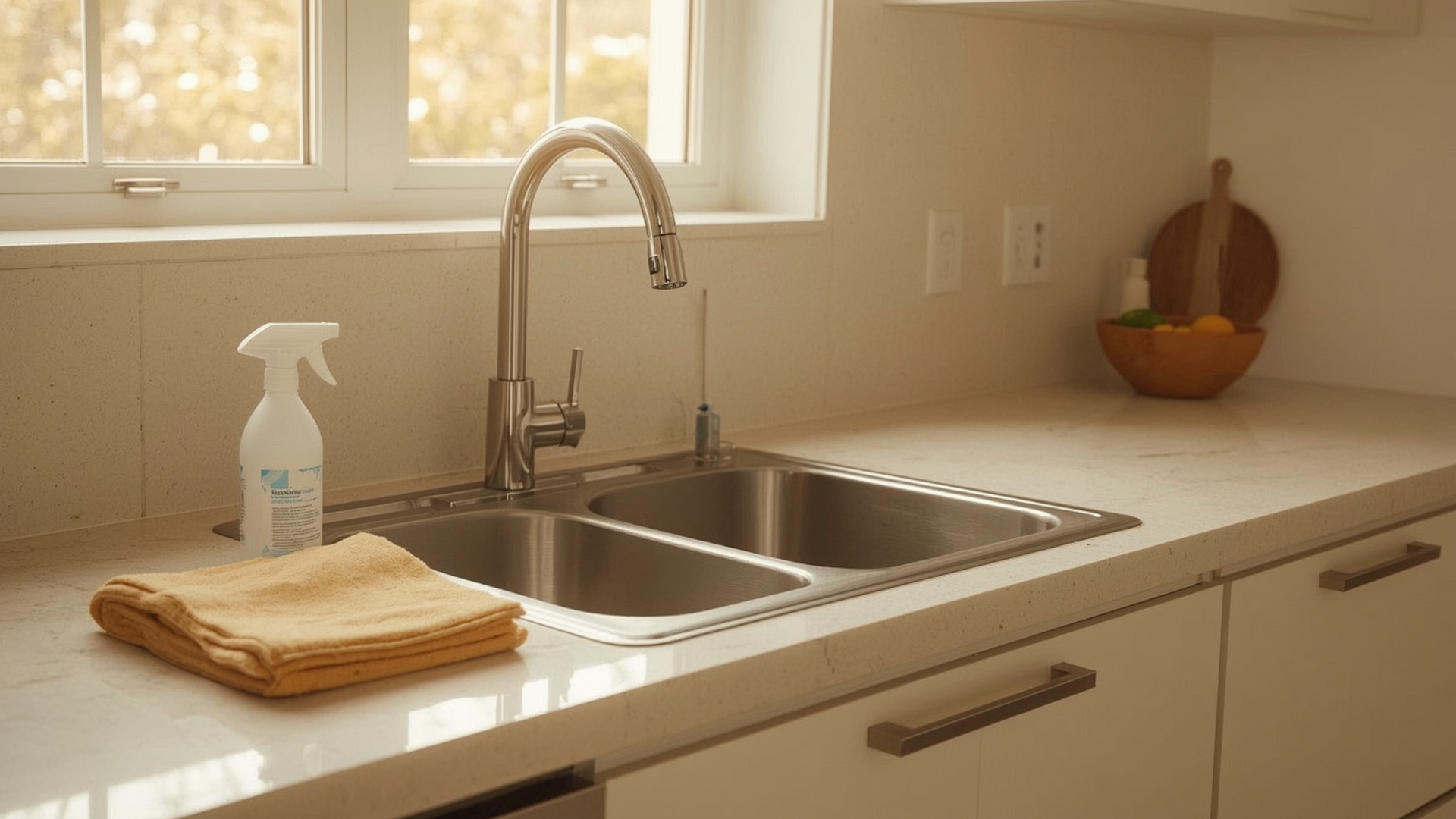
Quick Answer: Your weekly kitchen reset should cover clearing counters, wiping surfaces, cleaning the stovetop, emptying and wiping the sink, and doing a quick fridge check. The whole pass takes 20 to 30 minutes in a standard kitchen.
The kitchen is the hardest-working room in your home, which means it needs the most structured reset. Counters collect the most clutter. The sink builds up the fastest. The stovetop shows every spill from the week.
Kitchen Reset Task List
- Clear and wipe all countertops
- Wipe the stovetop and burner grates
- Clean the sink and faucet
- Empty and wipe the dish drying rack
- Wipe the outside of the refrigerator and microwave
- Empty all trash cans and replace liners
- Sweep or vacuum the floor
- Mop high-traffic areas around the sink and stove
- Return misplaced items to their assigned spots
The Quick Fridge Check
A full fridge clean belongs on your monthly deep clean list. But a weekly fridge check takes about five minutes and prevents a lot of food waste. Look for leftovers older than four days, produce going soft, and anything past its use-by date. Pull those items first, and position this week’s groceries toward the back so older items stay visible and get used.
Kitchen Reset EAV Data
| Kitchen Area | Reset Frequency | Time Required | Key Supplies | Common Mistake |
|---|---|---|---|---|
| Countertops | Weekly (daily wipe optional) | 5–8 minutes | All-purpose spray, microfiber cloth | Wiping around clutter instead of clearing first |
| Stovetop | Weekly minimum | 5–10 minutes | Degreaser spray, scrub sponge | Skipping burner grates |
| Sink | Weekly (rinse daily) | 3–5 minutes | Dish soap, scrub brush, Bar Keepers Friend | Ignoring faucet base buildup |
| Refrigerator exterior | Weekly | 2–3 minutes | All-purpose spray, microfiber cloth | Missing the top surface |
| Floor | Weekly mop, daily sweep | 10–15 minutes | Microfiber mop, floor-safe cleaner | Skipping under the table |
How Do You Reset Your Pantry During a Weekly Routine?
Quick Answer: A weekly pantry reset takes 10 to 15 minutes. Check expiration dates on open packages, move older items to the front, note what needs restocking, and wipe any sticky shelves. This prevents food waste and keeps meal planning accurate.
The pantry gets ignored during most weekly cleans because nothing in it looks obviously dirty. But a pantry that is not reset weekly becomes a source of meal planning failure. You think you have pasta until you find a half-empty bag that expired two months ago.
Weekly Pantry Reset Steps
- Do a quick front-to-back scan of every shelf
- Pull any open packages and check that they are sealed properly
- Move older items to the front of each category (first in, first out)
- Check canned goods for dents or rust
- Write down anything running low on your restocking list
- Wipe any sticky spots on shelves
- Return any items that drifted to the wrong shelf
Connecting your pantry reset to your grocery shopping is the most efficient move. Do the reset before you make your list so you know exactly what to buy. This habit alone can reduce your weekly food spend because you stop buying duplicates of things you already have.
What Does a Living Room Reset Actually Cover?

Quick Answer: A living room reset covers returning items to their homes, fluffing cushions, wiping the coffee table, dusting visible surfaces, and vacuuming. It takes 15 to 20 minutes and makes the room feel renewed without a full cleaning session.
Living rooms accumulate soft clutter fast. Remote controls migrate to the couch cushions. Books stack on the coffee table. Throw blankets twist into balls. None of it is dirty, but all of it signals disorder.
Living Room Reset Task List
- Return all items to their designated storage spots
- Fold and store or hang throw blankets
- Fluff and straighten all cushions and pillows
- Wipe the coffee table and any side tables
- Dust TV screen and media console (microfiber only on screens)
- Vacuum floors and rugs, including under couch edges
- Clear any dishes, glasses, or snack items
- Wipe light switches and door handles
Managing the “Drop Zone” Problem
Most living rooms have one surface that collects everything: a console table near the door, a corner of the couch, or a specific chair. Identify that drop zone in your home. During your weekly reset, clear it completely and return each item to its actual home. If the same items keep landing there every week, they may need a permanent home in that zone rather than elsewhere in the house.
How Should You Reset Your Bathroom Each Week?
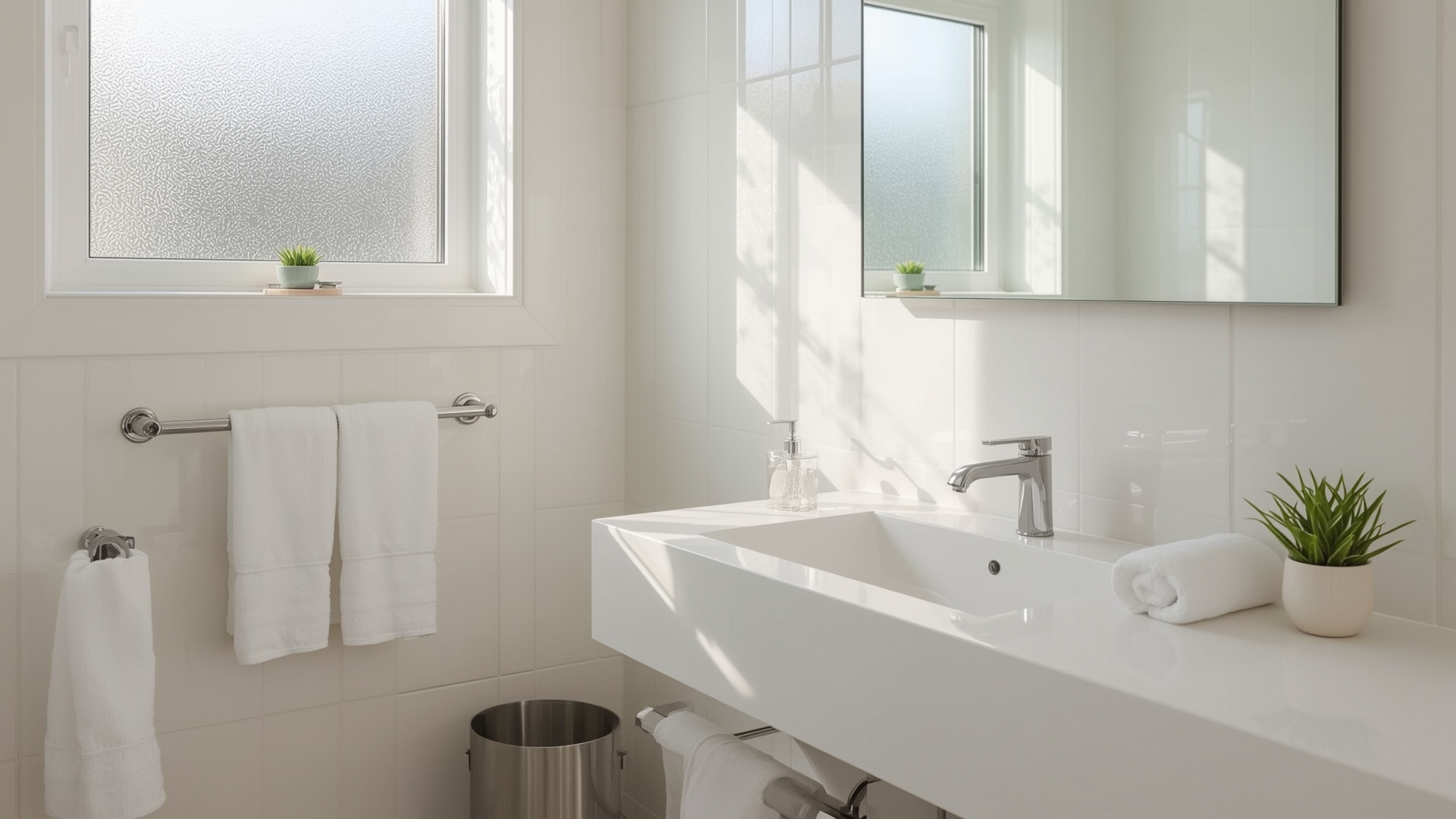
Quick Answer: A weekly bathroom reset includes cleaning the toilet, wiping the sink and mirror, refreshing towels, and a quick shower or tub wipe-down. Budget 10 to 15 minutes per bathroom. This reset prevents soap scum and grime from requiring heavy scrubbing later.
Bathrooms are the room where a skipped weekly reset has the most visible consequences. Soap scum builds in layers. Hard water stains etch into fixtures. Mildew finds a foothold in grout. A 15-minute weekly wipe-down prevents all three.
Bathroom Reset Task List
- Clean the toilet inside and out (bowl, seat, lid, base)
- Wipe the sink basin and faucet
- Clean the mirror (glass cleaner or diluted white vinegar)
- Wipe the shower or tub walls and door or curtain
- Swap out used towels for fresh ones
- Refill soap dispensers and replace empty toilet paper rolls
- Empty the trash and replace the liner
- Sweep or wipe the floor
- Return any products that have migrated out of their spots
Bathroom Reset EAV Data
| Bathroom Surface | Weekly Reset Task | Time Required | Best Cleaner | Deep Clean Trigger |
|---|---|---|---|---|
| Toilet | Bowl scrub + exterior wipe | 3–4 minutes | Toilet bowl cleaner + disinfectant spray | Staining under rim |
| Sink + Faucet | Wipe basin, clean faucet base | 2–3 minutes | All-purpose spray + microfiber | Hard water buildup at base |
| Mirror | Spray and wipe | 1–2 minutes | Glass cleaner or diluted white vinegar | Streaks despite regular cleaning |
| Shower/Tub | Wipe walls + door/curtain | 3–5 minutes | Daily shower spray or diluted dish soap | Visible mildew or soap scum buildup |
| Floor | Sweep and spot mop | 2–3 minutes | Floor-safe disinfectant | Grout discoloration |
Should You Include Bedrooms in Your Weekly Reset?
Quick Answer: Yes. A bedroom reset focuses on changing bed linens, clearing surfaces, handling laundry, and a quick vacuum or sweep. It takes 15 to 20 minutes per bedroom and has a large impact on sleep quality and morning routines.
The bedroom is easy to skip during a reset because it feels private. But clutter in a bedroom disrupts sleep and makes mornings harder. Dirty laundry on the floor becomes a visual stressor. Nightstand surfaces covered in dishes and wrappers create mental noise even when you are trying to rest.
Bedroom Reset Task List
- Change or straighten bed linens (full change every 1–2 weeks)
- Collect and sort laundry
- Clear and wipe the nightstand surface
- Return clothes, books, and other items to their places
- Wipe light switches and door handles
- Vacuum or sweep the floor
- Open windows for 5 to 10 minutes if weather allows (improves air quality)
The Two-Pile Laundry Strategy
During your bedroom reset, sort laundry into two immediate piles: wash now and put away later. The “put away later” pile is the one that kills bedroom resets. Instead, commit to returning folded laundry to drawers or the closet before you leave that room. Laundry sitting in a basket on a chair is just a dressed-up pile of clutter.
How Do You Build a Room-by-Room Reset Schedule?
Quick Answer: Assign each room a time block and move through the house in a logical order — typically kitchen, bathrooms, bedrooms, then living areas. Use a printed or digital checklist per room. The full reset for a 3-bedroom home takes 75 to 90 minutes.
The biggest time-waster in any cleaning session is indecision. Moving from room to room without a plan means you’ll return to the same areas twice, forget others entirely, and lose 20 minutes to momentum gaps.
A room-by-room schedule solves that. You assign each space a time budget and a task list before you start. You move through the house in one direction — either floor by floor or by category (wet rooms first, then living spaces). You do not backtrack.
Sample Weekly Reset Schedule for a 3-Bedroom Home
| Room | Time Block | Priority Tasks | Estimated Duration |
|---|---|---|---|
| Kitchen | First | Counters, stovetop, sink, fridge check, floor | 25–30 minutes |
| Main Bathroom | Second | Toilet, sink, mirror, shower wipe, towels | 12–15 minutes |
| Secondary Bathroom | Third | Same as main bathroom | 10–12 minutes |
| Primary Bedroom | Fourth | Linens, laundry, surfaces, floor | 15–20 minutes |
| Kids’ Bedrooms | Fifth | Toy return, linens, laundry, floor | 10–15 minutes each |
| Living Room | Last | Clutter, cushions, surfaces, vacuum | 15–20 minutes |
What Supplies Do You Need for a Smooth Weekly Reset?
Quick Answer: A caddy with all-purpose spray, glass cleaner, toilet bowl cleaner, a scrub brush, microfiber cloths, and a trash bag covers 90% of weekly reset tasks. Keep a second caddy in the upstairs bathroom if your home has multiple floors.
Carrying supplies from room to room wastes time and breaks momentum. The simplest fix is a cleaning caddy — a portable tote or bin stocked with what you need for the whole reset.
Weekly Reset Cleaning Caddy Contents
- All-purpose spray cleaner
- Glass cleaner (for mirrors and TV screens)
- Toilet bowl cleaner
- Toilet brush and holder
- Scrub sponge or brush for the sink
- 6 to 8 microfiber cloths (color-coded: one color for bathrooms, one for kitchen)
- Trash bag or small liner roll
- Rubber gloves
Color-coding your microfiber cloths is a simple rule that prevents cross-contamination. Use red cloths for toilets and bathroom floors. Use blue or green for kitchen surfaces. This matters when you are moving fast and grabbing cloths by habit rather than by thought.
How Does a Weekly Reset Pair With a Zone-Based Cleaning Schedule?
Quick Answer: A zone cleaning schedule handles deep tasks one area per day across the week. The weekly reset handles whole-home order in a single session. Together, they cover both surface tidiness and deep cleanliness without either system doing more than its intended job.
Zone cleaning assigns one area of the home to each weekday. Monday might be the kitchen. Tuesday is bathrooms. Wednesday is bedrooms. Each session focuses on the deep tasks: scrubbing grout, wiping cabinet fronts, cleaning inside the microwave. It takes 20 to 30 minutes per day.
The weekly reset does not replace any of that. It handles what accumulates between zone sessions. When you combine both systems, you get a home that is deep-cleaned on a rotating basis and surface-reset on a weekly one. Neither system carries the full load alone.
What the Reset Does vs. What the Zone Schedule Does
| Task | Weekly Reset | Zone Cleaning Schedule |
|---|---|---|
| Wipe stovetop | Yes (surface wipe) | Yes (including burner detail) |
| Inside oven | No | Yes (monthly in kitchen zone) |
| Toilet clean | Yes (quick scrub + wipe) | Yes (full scrub including base and behind) |
| Grout scrubbing | No | Yes (bathroom zone day) |
| Vacuum living room | Yes | Yes (including under furniture) |
| Baseboards | No | Yes (assigned zone week) |
| Fresh towels | Yes | Not typically included |
How Do You Get Your Family Involved in the Weekly Reset?
Quick Answer: Assign each family member one or two tasks that match their age and ability. Kids as young as 5 can return toys and wipe surfaces. Older kids can handle vacuuming and bathroom wipes. Shared ownership shortens total reset time and builds consistent habits.
A weekly reset done by one person in a four-person household is a missed opportunity. When every person participates — even in small ways — the total time drops significantly, and the routine becomes a shared household standard rather than one person’s unpaid burden.
Age-Based Weekly Reset Task Assignments
- Ages 4–6: Return toys to bins, fluff couch cushions, put dirty clothes in the hamper
- Ages 7–10: Strip and replace pillowcases, wipe bathroom sink, empty small trash cans
- Ages 11–13: Vacuum their bedroom, wipe down their bathroom, clear their surfaces
- Ages 14+: Full bathroom reset, kitchen floor sweep, load or unload dishwasher
- Adults: Kitchen, stovetop, main bathroom, coordination and supplies restocking
What Are the Most Common Reasons Weekly Reset Routines Fail?
Quick Answer: Most weekly resets fail because they have no fixed day, no task list, or they try to include deep cleaning. Scope creep — where a surface wipe turns into a full scrubbing session — is the most common reason the routine takes three hours and gets abandoned.
Routines fail when the expectations do not match the format. A weekly reset is designed to be fast and repeatable. The moment you start organizing a drawer or scrubbing a grout line during your reset, you have left the reset and started a deep clean. That is fine to do, but it is a different session.
The second most common failure is inconsistency in timing. Without a fixed day, the reset keeps getting pushed to “later this week” until it has been skipped entirely. Choose a day. Put it on the calendar. Protect it like any other weekly commitment.
Common Weekly Reset Mistakes and How to Fix Them
- No task list: You wander, repeat areas, and forget others. Fix: print or save a checklist per room.
- Scope creep: A 90-minute reset becomes a 4-hour project. Fix: if a task takes more than 5 extra minutes, add it to next zone day instead.
- Doing it alone every week: Burnout is inevitable. Fix: assign tasks by age and ability to every household member.
- Starting with the easiest room: You run out of energy before the hard rooms. Fix: always start with the kitchen or bathrooms while your energy is highest.
- No supplies ready: You spend 15 minutes finding things before you start. Fix: keep a stocked reset caddy in a fixed location.
Frequently Asked Questions
How long does a weekly home reset take for a small apartment?
A one-bedroom apartment reset typically takes 30 to 45 minutes. The kitchen and bathroom are the two rooms that take the most time. Living areas and the bedroom add another 15 to 20 minutes combined. With a task list and stocked supplies, the whole apartment can be reset in under an hour.
Can you do a weekly reset without any cleaning products?
Not entirely, but you can simplify to two products: an all-purpose spray and a toilet bowl cleaner. Microfiber cloths can handle most surface wipes with just water and a small amount of spray. A fully stocked caddy helps, but a minimal setup still covers 80% of weekly reset tasks.
What is the difference between a home reset and a spring clean?
A spring clean is a once-or-twice-per-year deep session that covers behind appliances, inside cabinets, and seasonal switching of items like bedding and clothing. A weekly reset is a short maintenance pass that happens every single week. They target different timescales and different levels of detail.
Should you mop every room during a weekly reset?
Not necessarily. The kitchen floor and bathroom floors benefit most from a weekly mop because they see the most moisture and food contact. Bedroom and living room floors can be vacuumed weekly and mopped every two to three weeks unless a spill or visible dirt calls for it sooner.
What is a reset caddy and how is it different from a regular cleaning kit?
A reset caddy is a portable tote stocked only with what you need for your weekly reset — typically five to eight items. A full cleaning kit might include grout brushes, degreasers, and specialty tools. The reset caddy stays lean on purpose so it is quick to grab and easy to carry room to room.
How do you maintain a weekly reset routine during busy seasons?
Shrink the task list, not the schedule. During unusually busy weeks, cut each room’s reset to the three highest-impact tasks: counters in the kitchen, toilet in the bathroom, and vacuum in the living room. A 30-minute reduced reset beats skipping entirely because it keeps the habit intact and prevents major buildup.