You don’t need a Pinterest-perfect home. You need a home that functions. When you’re managing kids, work, meals, and everything in between, clutter isn’t just an eyesore — it’s a time thief. The average mom loses 20 to 40 minutes a day searching for misplaced items. That’s time you can get back.
This guide covers real, affordable organization strategies built for real life. No expensive overhauls. No systems you’ll abandon in a week. Just practical hacks that reduce daily friction and help your home run smoother.
Key Takeaways
- Room-by-room decluttering is faster and less overwhelming than tackling the whole house at once.
- The “one in, one out” rule prevents clutter from building back up after you’ve organized.
- Vertical storage is one of the most underused solutions in busy family homes.
- A 10-minute reset routine each evening prevents weekend cleaning marathons.
- Labeled bins and zones teach kids to put things away without being reminded.
- Affordable tools from dollar stores and discount retailers work just as well as expensive organizers.
Why Do Busy Moms Struggle to Keep Homes Organized?
Quick Answer: Busy moms struggle with home organization because they have too many people creating clutter and too little time to manage it. Without systems, clutter piles up faster than one person can clear it. The solution is structure, not more effort.
Organization isn’t a personality trait. It’s a system. And most homes are missing one.
When there’s no designated place for backpacks, shoes, or mail, everything lands on the nearest flat surface. Multiply that by two or three kids, and a tidy morning can turn into chaos by noon. The problem isn’t that you’re not trying hard enough. The problem is that your home doesn’t have a clear structure telling everyone where things live.
The good news: systems don’t have to be complicated. A labeled bin and a consistent habit can solve what feels like a never-ending mess.
What Is the Fastest Way to Declutter a Messy Home?
Quick Answer: The fastest decluttering method is the “Four Box System.” Label four boxes: Keep, Donate, Trash, and Relocate. Work one room at a time for 20 minutes. You’ll make quick decisions without overthinking and see immediate results.
The Four Box System in Practice
Set a timer for 20 minutes. Pick one room. Don’t leave that room until the timer goes off. Every item you touch goes into one of four boxes:
- Keep: Used in the last 90 days and belongs in this room
- Donate: Usable but no longer needed
- Trash: Broken, expired, or worn out
- Relocate: Belongs somewhere else in the house
The relocate box gets dealt with after the timer. This keeps you in the room instead of wandering the house putting items away and losing focus.
How Often Should You Declutter Each Room?
High-traffic rooms like the kitchen and living room need a light declutter weekly. Bedrooms and closets work well on a monthly cycle. Storage spaces like garages and basements need a seasonal pass — roughly four times a year.
| Room | Recommended Frequency | Time Required | Primary Clutter Type |
|---|---|---|---|
| Kitchen | Weekly | 15-20 minutes | Expired food, duplicate tools |
| Living Room | Weekly | 10-15 minutes | Toys, mail, remote controls |
| Kids’ Bedrooms | Monthly | 30-45 minutes | Outgrown clothes, broken toys |
| Master Bedroom | Monthly | 20-30 minutes | Clothing, accessories, books |
| Bathrooms | Monthly | 15-20 minutes | Expired products, empty bottles |
| Garage or Storage | Seasonally (4x/year) | 1-3 hours | Sports gear, seasonal items |
How Do You Organize a Kitchen When You’re Always Short on Time?
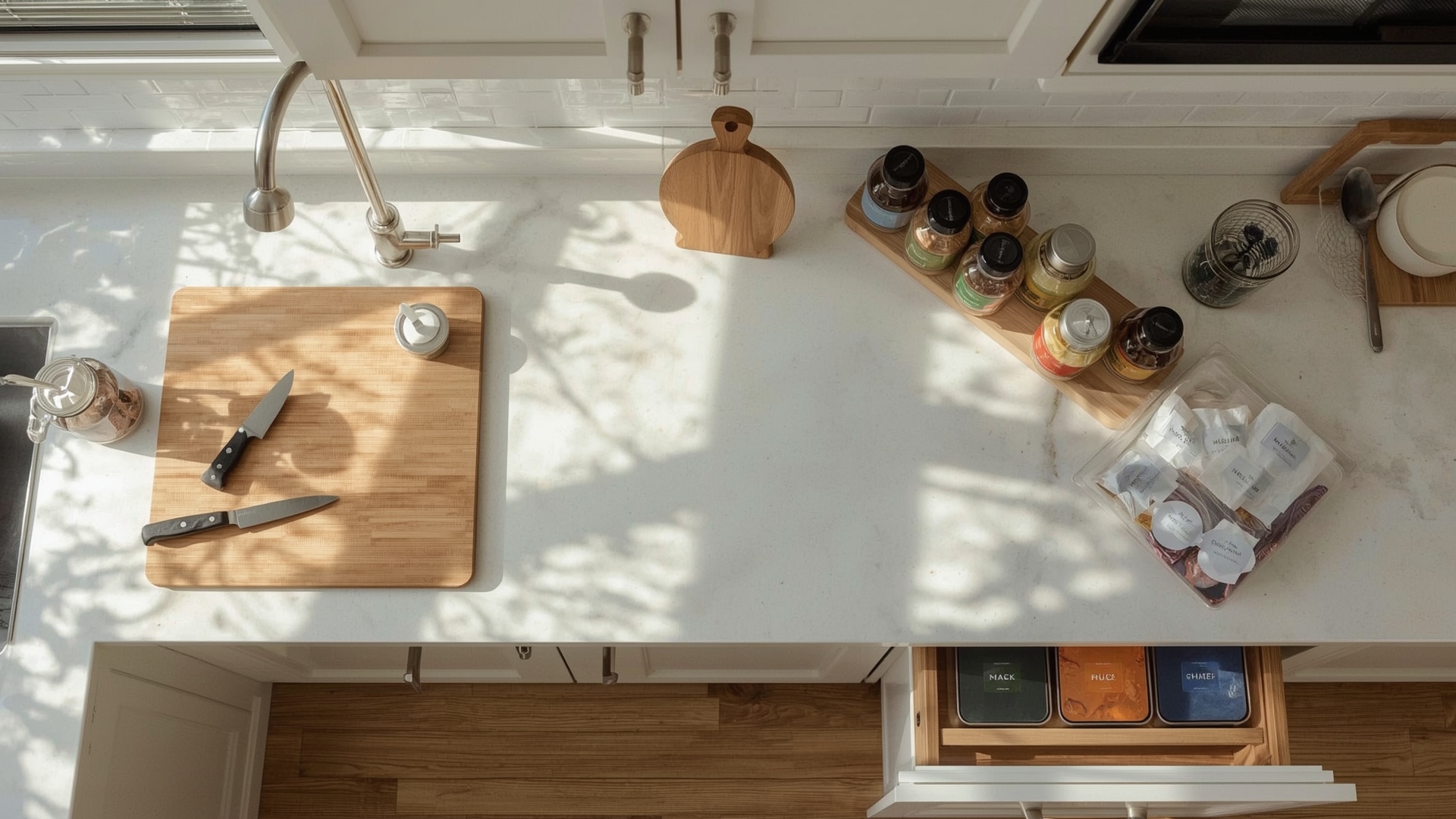
Quick Answer: Organize your kitchen by zones: prep zone near the counter, cooking zone near the stove, and storage zone in cabinets. Keep only daily-use items within easy reach. Move rarely used appliances to high shelves or storage to free up counter space.
The Zone Method for Kitchen Organization
A kitchen organized by zones cuts your cooking and cleanup time significantly. Each zone has one purpose, and everything in that zone supports that purpose only.
- Prep Zone: Cutting boards, knives, mixing bowls near your main counter space
- Cooking Zone: Pots, pans, spatulas, and spices within arm’s reach of the stove
- Drink Zone: Coffee maker, mugs, and glasses together near the sink
- Snack Zone: Kid-friendly snacks in a low cabinet or drawer they can access themselves
What Are the Best Affordable Kitchen Storage Solutions?
You don’t need a kitchen renovation to get organized. These tools cost under $20 each and make a real difference:
| Storage Tool | Approximate Cost | Best Use | Where to Buy |
|---|---|---|---|
| Lazy Susan Turntable | $8-$15 | Spice cabinet, corner cabinet | Dollar Tree, Amazon, Target |
| Stackable Shelf Risers | $10-$18 | Cabinet shelves, pantry | Walmart, Amazon |
| Over-Door Organizer | $12-$20 | Pantry door, cleaning supplies | Target, IKEA, Amazon |
| Clear Stackable Bins | $3-$12 each | Fridge, pantry, countertops | Dollar Tree, The Container Store |
| Drawer Dividers | $5-$15 | Utensil drawers, junk drawers | Walmart, Target, Amazon |
How Do You Organize a Pantry on a Budget?
Group pantry items by meal type, not by food category. Put “taco night” ingredients together, “pasta night” items together. This makes meal prep faster and lets kids help set out ingredients.
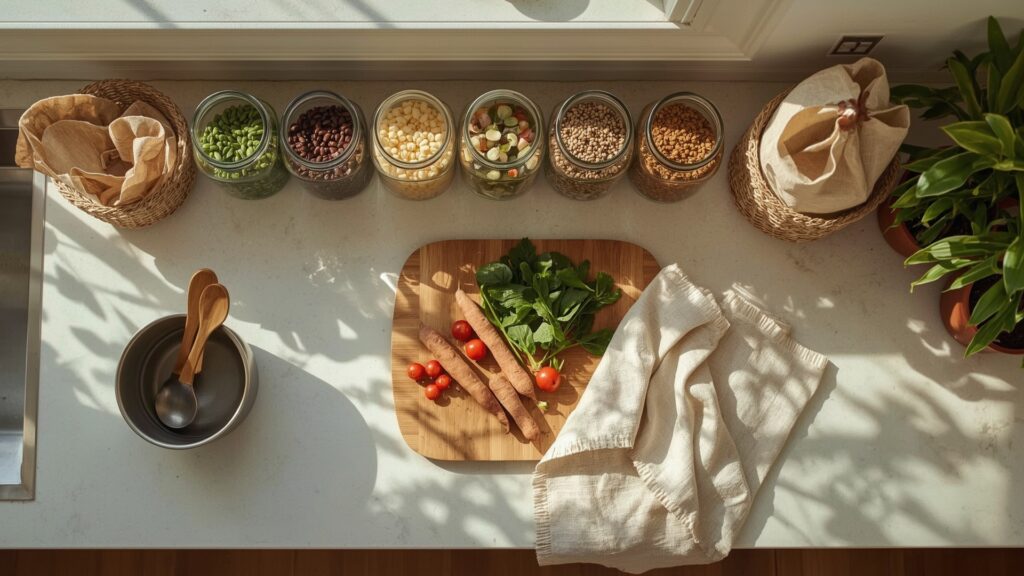
Use clear containers for dry goods like rice, oats, and cereal. Label everything. When a container is empty, you know exactly what to add to the grocery list. This system alone can reduce your weekly grocery trip time by 10 to 15 minutes.
What Are the Best Organization Hacks for a Kids’ Playroom or Bedroom?
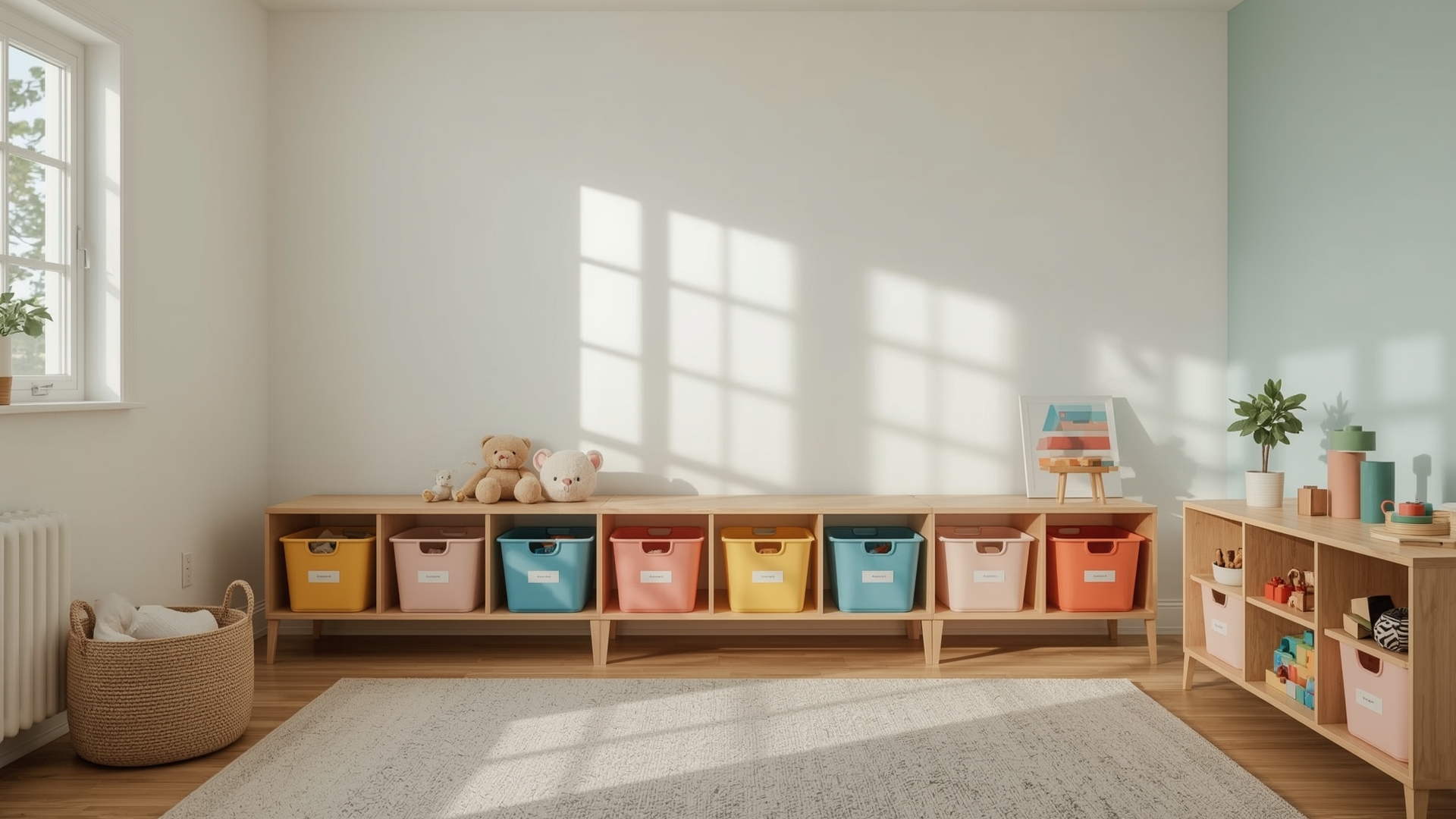
Quick Answer: Use open bins at kid height with picture labels. Kids clean up faster when they can see where things go. Sort toys by type — blocks together, art supplies together, dolls together — and limit each category to one bin to prevent overflow.
The One-Bin-Per-Category Rule
If a toy category doesn’t fit in its bin, something gets donated — not a bigger bin purchased. This keeps toy collections manageable and teaches kids that things have limits. It sounds harsh, but kids actually play more creatively with fewer toys in accessible bins.
How Do You Get Kids to Help Keep Their Room Clean?
Make the system so easy that putting things away requires less effort than leaving them out. Picture labels on bins work for pre-readers. Color-coded bins work for toddlers. A “10-minute tidy” before dinner makes cleanup a habit instead of a battle.
Reward consistency, not perfection. A simple sticker chart for three-day streaks of room tidying is more effective than punishing mess.
What Vertical Storage Options Work Best for Small Bedrooms?
Vertical storage means using wall space instead of floor space. In small kids’ rooms, this is a game-changer. Options that work well include:
- Floating shelves: Display books spine-out to see titles easily, cost $10-$40 per shelf
- Over-door shoe organizers: Store art supplies, small toys, hair accessories, cost $8-$15
- Pegboard panels: Customizable wall storage for art or craft rooms, cost $15-$30 for a 4-foot panel
- Hanging fabric shelves in closets: Tripling usable closet space, cost $12-$25
How Can You Keep the Entryway Organized With Kids in the House?
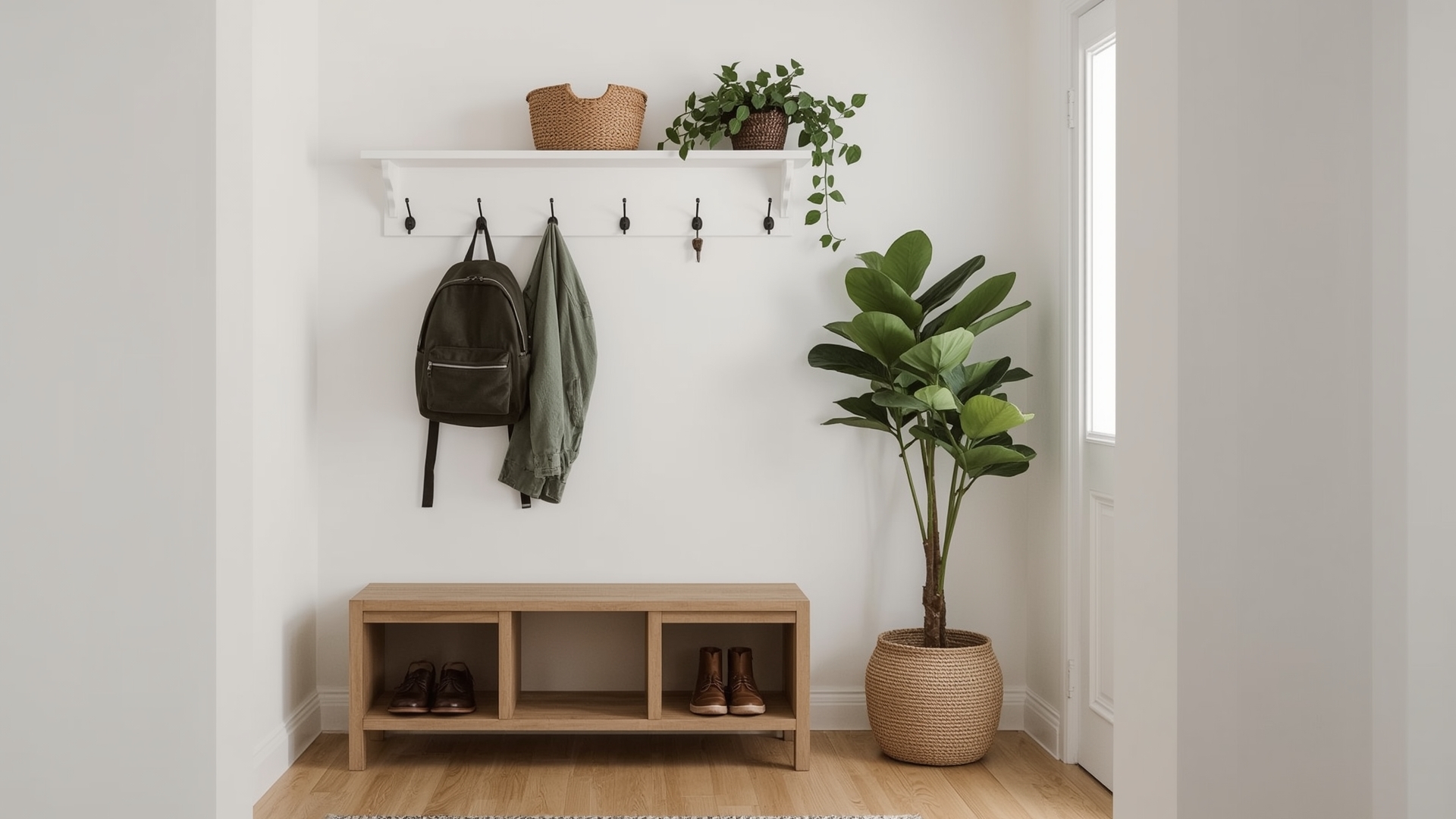
Quick Answer: Build a “launch pad” near the front door — a dedicated spot for backpacks, shoes, jackets, and tomorrow’s essentials. Each family member gets their own hook or cubby. This single change eliminates most morning scrambling for lost items.
What Should a Family Entryway Command Center Include?
A command center is a small, wall-mounted station that manages daily family logistics. Here’s what to include:
- Hooks for each family member (labeled by name)
- A small calendar or whiteboard for the week’s schedule
- A mail slot or tray to stop mail from spreading across counters
- A key hook mounted at adult eye level
- A small basket for shoes or a boot tray for wet shoes
You can build this for under $50 using IKEA rails, hooks from a dollar store, and a small whiteboard from any office supply store.
What Daily Routines Help Moms Maintain an Organized Home?
Quick Answer: Three short routines prevent most household clutter: a 10-minute morning tidy before leaving, a 5-minute afternoon reset after school, and a 15-minute evening reset before bed. Consistency with short routines beats occasional deep-cleaning marathons every time.
The Morning, Afternoon, and Evening Reset Framework
Think of these routines as maintenance, not cleaning. They prevent clutter from compounding. Here’s what each looks like in practice:
| Routine | Time Required | Key Tasks | Who Participates |
|---|---|---|---|
| Morning Tidy | 10 minutes | Make beds, clear kitchen counter, start dishwasher | Whole family |
| Afternoon Reset | 5 minutes | Clear backpacks, sort mail, put away after-school snacks | Kids + mom |
| Evening Reset | 15 minutes | Tidy living room, wipe kitchen, lay out tomorrow’s essentials | Whole family |
| Weekly Reset | 30-45 minutes | Declutter hotspots, wipe surfaces, run laundry | Mom-led with kid chores |
How Do You Build Habits That Actually Stick?
Habit stacking is the most reliable method. Attach a new habit to something you already do. For example: “After I pour my morning coffee, I wipe the kitchen counter.” Or: “When the kids start homework, I spend 5 minutes clearing the entryway.”
The trigger (existing habit) makes the new routine automatic over time. Most habits solidify after 21 to 66 days of consistent repetition, depending on complexity.
What Are the Best Storage Solutions for Small or Cluttered Living Rooms?
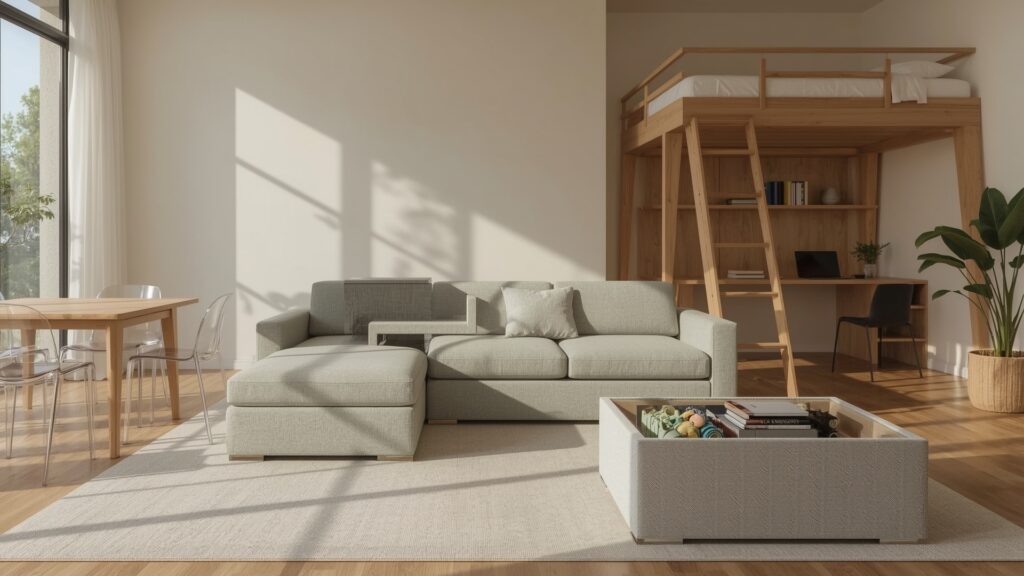
Quick Answer: Use furniture that doubles as storage. Ottomans with inner storage, coffee tables with shelves, and sofas with storage bases hide clutter while keeping your living room functional. Add labeled baskets for toys and remotes to maintain quick tidiness.
Multi-Function Furniture Worth the Investment
Multi-function furniture earns its cost in a busy family home. Every piece that stores something reduces the need for additional storage units.
- Storage ottoman: $40-$120, stores blankets, toys, or kids’ games
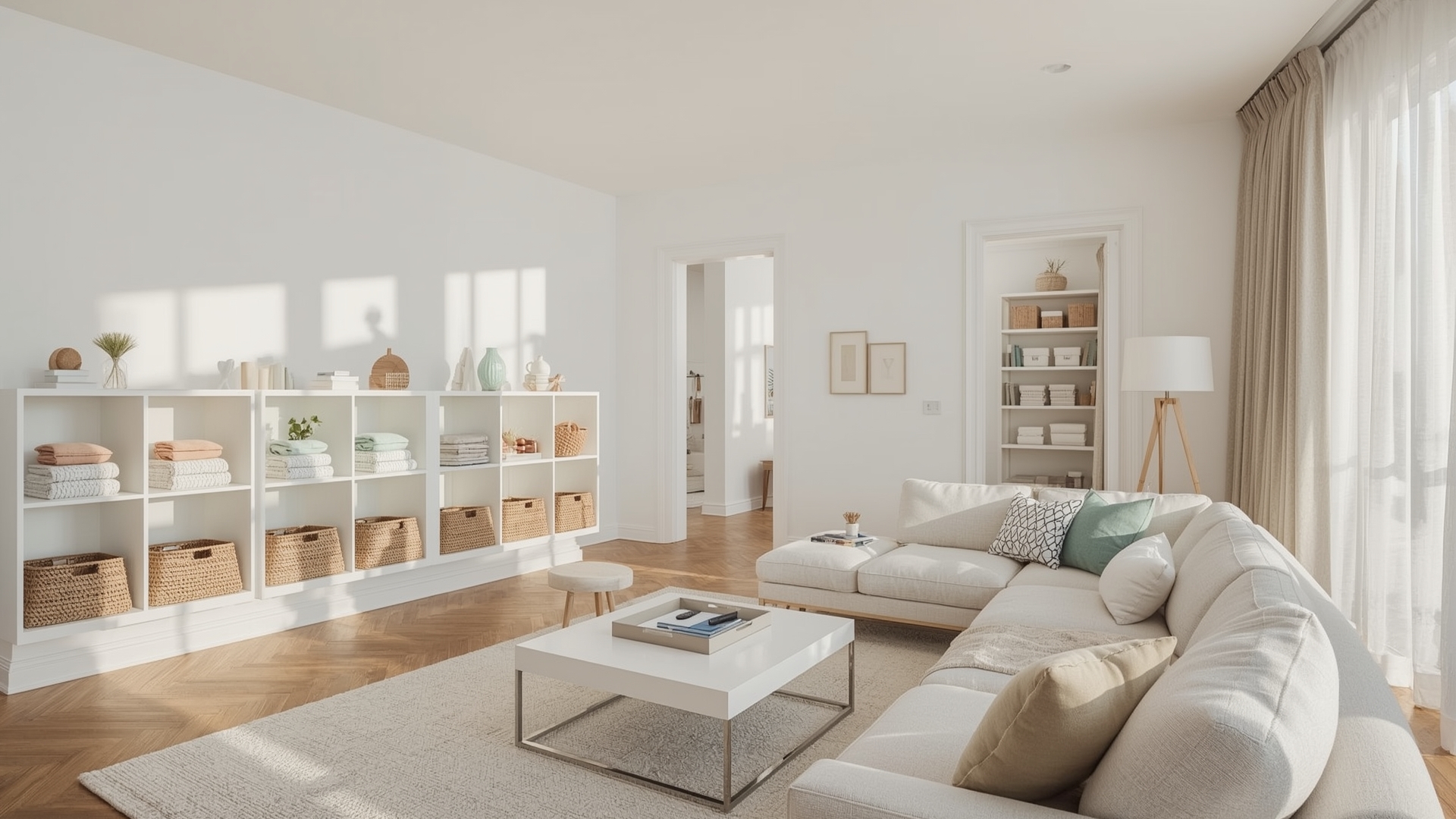
- Bookshelf with baskets: $60-$150, displays books and hides miscellaneous items in labeled baskets
- TV console with drawers: $80-$200, stores remotes, gaming accessories, and media items
- Storage bench: $50-$130, works in entryways, bedrooms, and living rooms
How Do You Organize a Shared Family Living Space?
Designate zones even in an open-plan living room. A reading corner stays reading-only. A play area has one toy bin and a clear boundary. Adult spaces get adult-only rules.
The clearer the zones, the easier it is for kids to understand where things belong. Visual boundaries work better than verbal reminders.
How Do You Manage Laundry More Efficiently as a Busy Mom?
Quick Answer: Run one load of laundry daily instead of saving it for laundry day. A daily load takes 5 minutes to start and 10 minutes to fold. This prevents the overwhelming piles that make laundry feel like a full-day project once a week.
The One-Load-a-Day Laundry System
Pick a consistent time each day — morning works well because the machine runs while you go about your day. Fold and put away immediately when the dryer finishes. Leaving clean laundry in the dryer leads to a second cycle (energy waste) or a wrinkled pile that takes three times longer to deal with.
What Laundry Organization Tools Actually Help?
- Three-section hamper: Sort lights, darks, and colors as you go — no pre-sorting on laundry day
- Mesh laundry bags: Keep socks paired from wash to dry, cost $3-$8 per bag
- Over-washer shelf unit: Stores detergent, dryer sheets, and stain remover vertically, cost $25-$60
- Folding station (wall-mounted): Folds down when needed and flat against the wall otherwise, cost $40-$90
What Are the Most Overlooked Home Organization Hacks Busy Moms Should Know?
Quick Answer: The most overlooked hacks are the simplest: a “clutter basket” for quick tidying before guests arrive, a weekly 15-minute “hotspot patrol” for known mess zones, and the “one in, one out” rule to stop clutter from returning after you’ve organized.
The Clutter Basket Method
Keep one large basket in the living room. When guests are coming over and you have 10 minutes, toss everything into the basket and deal with it later. This gets your space looking presentable fast without creating more chaos by rushing things to random spots.
Hotspot Patrol: Targeting Known Mess Zones
Every home has hotspots — surfaces where clutter naturally collects. Common ones include the kitchen counter near the stove, the dining table, the foot of the stairs, and the bathroom counter.
A weekly 15-minute “hotspot patrol” targets these spots specifically. Clear them, reset them, and they stay manageable. Ignoring them lets clutter compound until it feels overwhelming.
The One In, One Out Rule
Every time something new comes into your home — a toy, a piece of clothing, a kitchen gadget — something old leaves. This is the single most effective rule for preventing clutter from returning after a declutter session. It requires a decision at the point of entry, which is much easier than making dozens of decisions during a declutter session later.
| Hack | Time to Implement | Cost | Best For |
|---|---|---|---|
| Clutter Basket | Immediate | $0 (use existing basket) | Quick company-ready tidying |
| One In, One Out Rule | Ongoing habit | $0 | Preventing clutter buildup |
| Hotspot Patrol | 15 min/week | $0 | Known mess zones |
| 10-Minute Evening Reset | Daily habit | $0 | Preventing overnight pile-up |
| Launch Pad Entryway | 1-2 hours setup | $20-$50 | Morning routine efficiency |
| Zone-Based Kitchen | 2-3 hours setup | $30-$80 | Faster cooking and cleanup |
How Do You Involve the Whole Family in Keeping the Home Organized?
Quick Answer: Assign age-appropriate chores with clear expectations. Kids as young as 3 can put toys in a bin. Kids 6 and up can load a dishwasher or sort laundry. Make tasks routine, not optional, and use visual chore charts so kids know what’s expected without being told every time.
Age-Appropriate Chores That Actually Get Done
The key to kids doing chores consistently is making expectations visual and tasks genuinely doable. When a job feels too hard, kids give up. When it’s too easy, they don’t develop real responsibility.
- Ages 2-3: Put toys in bins, throw trash away, put shoes by the door
- Ages 4-5: Make their bed (loosely), wipe spills, bring dishes to the sink
- Ages 6-8: Load the dishwasher, sort laundry, sweep small areas
- Ages 9-12: Vacuum, fold laundry, clean bathrooms with guidance
- Ages 13+: Full room cleaning, cooking simple meals, grocery list help
What Makes a Chore Chart Actually Work?
A chore chart works when it’s visible, simple, and tied to a consistent routine. Put it somewhere kids see it every day — on the fridge or the bathroom mirror. Break tasks into small steps. “Clean your room” is vague. “Put clothes in hamper, clear floor, make bed” is specific and actionable.
Frequently Asked Questions
How long does it take to fully organize a home?
A whole-home organization project typically takes 2 to 4 weekends when you tackle one room per session. The kitchen and garage take the longest — plan 3 to 5 hours each. Bathrooms and bedrooms usually take 1 to 2 hours per room.
What is the best time of day to organize with kids at home?
Early morning before kids wake up or during nap times gives you uninterrupted focus. After-school organization sessions work well when you involve kids in their own spaces. Avoid late evening sessions — decision fatigue makes decluttering harder and slower.
Are expensive organizers worth it compared to dollar store options?
Dollar store bins, baskets, and drawer dividers work just as well for most storage needs. Spend more on items you’ll use daily and can be seen — like labeled pantry containers or a quality entryway hook system. Save money on hidden storage like closet shelf dividers and under-bed bins.
How do you stop clutter from coming back after organizing?
The one in, one out rule is the most reliable method. Every new item that enters your home requires an old item to leave. Pair this with a weekly 15-minute hotspot patrol targeting known mess zones, and clutter rarely returns to pre-organization levels.
What is the easiest room to start organizing first?
Start with a bathroom or a single bedroom closet. These spaces have limited surface area and produce quick, visible results. A win in a small space builds the motivation and confidence you need to tackle larger areas like the kitchen or living room.
Can a messy home affect kids’ mental health?
Research shows that visual clutter increases cortisol levels — the body’s stress hormone — in both adults and children. A consistently cluttered environment can contribute to difficulty concentrating, lower mood, and increased anxiety in school-age kids. Organization directly supports a calmer home environment.